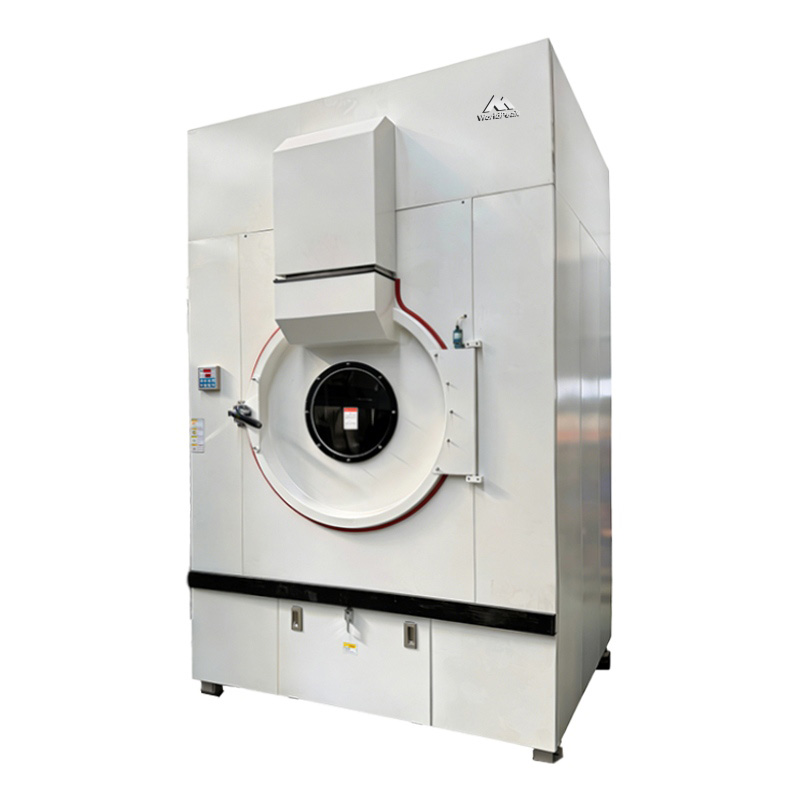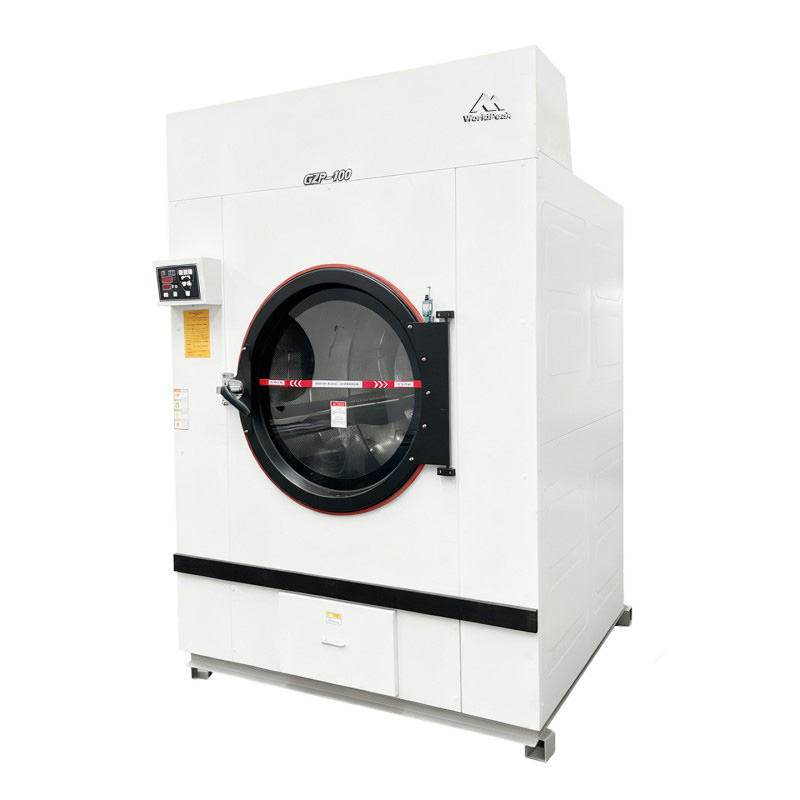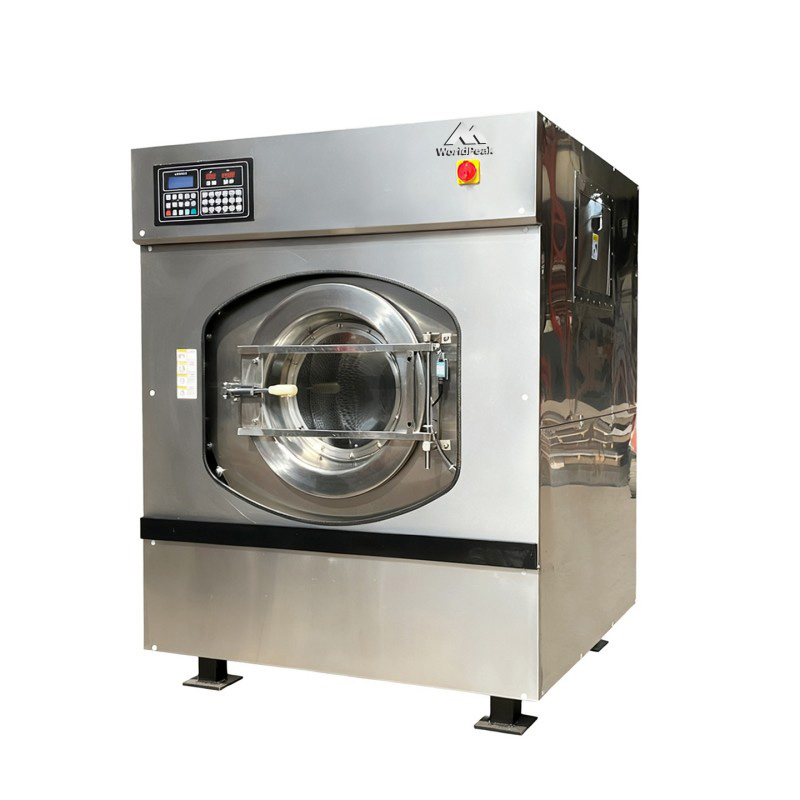
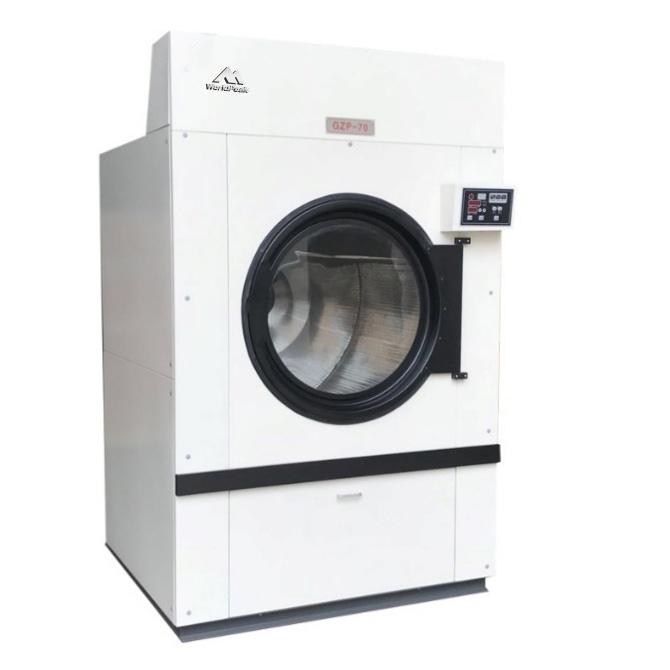
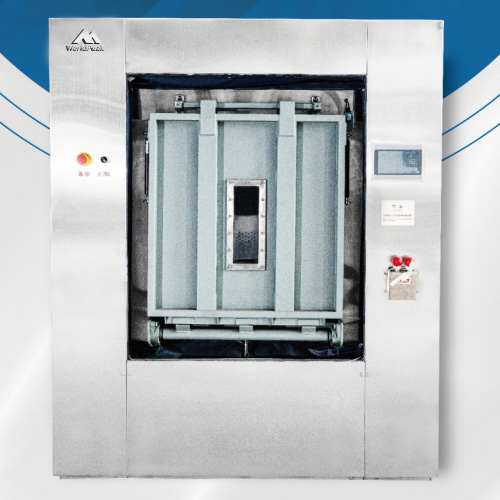
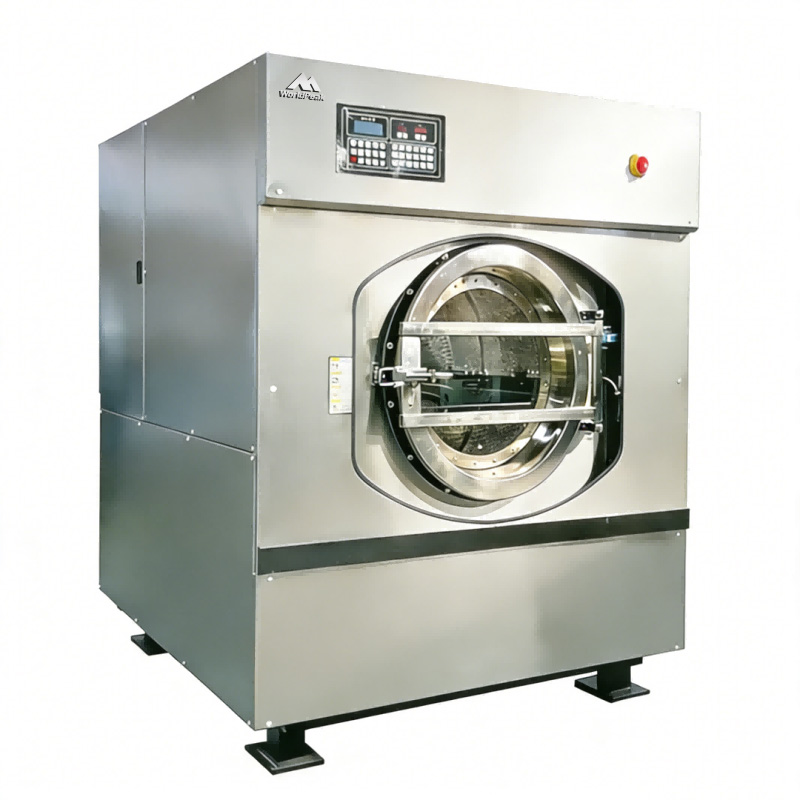
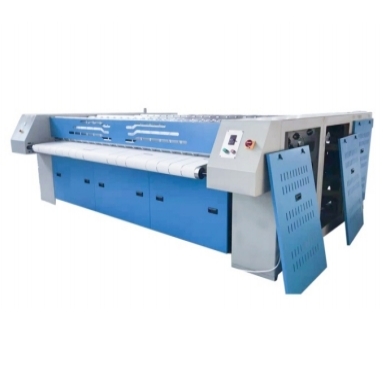
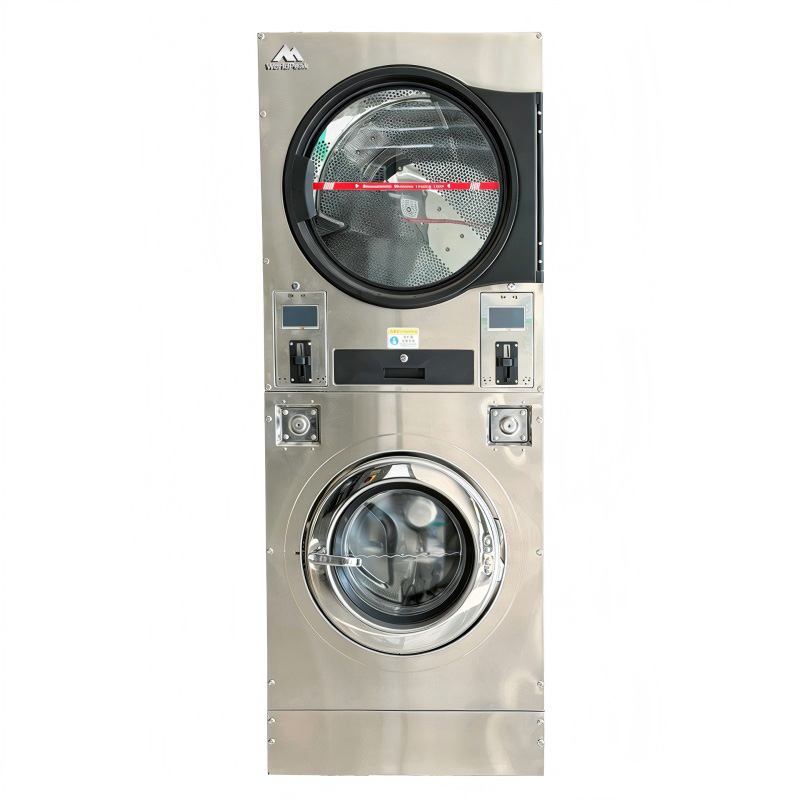
For hotel linen laundry companies, choosing the right industrial washer-extractor is one of the most important equipment decisions. The machine directly affects washing capacity, linen cleanliness, drying efficiency, energy consumption, labor requirements, and long-term operating costs. With 30 kg, 50 kg, 70 kg, 100 kg, and larger commercial washer-extractors available on the market, selecting the right model requires more than simply comparing price or drum capacity. Buyers should evaluate daily linen volume, textile types, extraction performance, energy efficiency, machine construction, control functions, and after-sales support before making a purchase.
- Determine Your Hotel Linen Washing Requirements
- How to Choose Washer-Extractor Capacity
- Consider Different Linen and Fabric Types
- Evaluate Washing Performance
- Check Extraction Performance
- Energy and Water Efficiency
- Machine Construction and Durability
- Control System and Automation
- Brand, Warranty and After-Sales Service
- Key Buying Tips
- Frequently Asked Questions
Determine Your Hotel Linen Washing Requirements
Before comparing washer-extractor models, first determine exactly what the laundry facility needs to process. Hotel linen includes bed sheets, duvet covers, pillowcases, bath towels, hand towels, bathrobes, restaurant tablecloths, napkins, staff uniforms, and other textiles. Different linen categories vary in weight, fabric structure, soil level, and washing requirements.
A laundry serving one small hotel has very different equipment requirements from a centralized linen company serving dozens of hotels. The washer-extractor should therefore be selected according to actual production demand rather than simply choosing the largest available machine.
Important Questions to Consider
- How many kilograms of dry linen are processed per day?
- How many hours does the laundry operate each day?
- How many washing cycles are required?
- What types of hotel linen are processed?
- Are heavily soiled restaurant textiles included?
- Is same-day linen turnaround required?
- Will order volume increase in the future?
How to Choose the Right Washer-Extractor Capacity
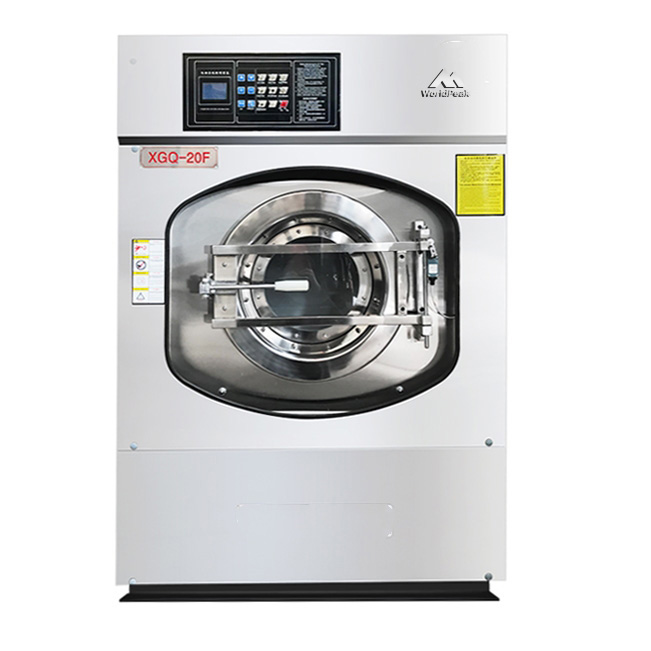
Capacity is one of the most important factors when choosing a hotel laundry washer-extractor. Industrial washer-extractors are commonly available in capacities ranging from 20 kg to 100 kg or more.
30 kg Washer-Extractor
A 30 kg model is generally suitable for small hotels, boutique properties, guesthouses, and smaller commercial laundries with relatively limited daily linen volumes.
50 kg Washer-Extractor
A 50 kg washer-extractor provides greater flexibility and can be suitable for medium-sized hotels or commercial laundry companies with moderate daily workloads.
100 kg Washer-Extractor
A 100 kg industrial washer-extractor is commonly used in large hotel laundries and professional linen-processing plants. It can process large batches of sheets, duvet covers, towels, and other hotel textiles efficiently.
For large centralized laundries, several 100 kg machines may be installed instead of relying on one extremely large washer. Multiple machines allow different linen categories to be processed simultaneously and provide greater flexibility during maintenance.
Avoid Oversizing and Undersizing
An oversized washer frequently operating with small loads can lead to inefficient equipment utilization. An undersized machine may require too many washing cycles, increase labor and utility consumption, and create production bottlenecks.
The ideal capacity should be calculated using daily dry-linen weight, operating hours, average cycle time, and peak-season demand.
Consider Different Linen and Fabric Types
Hotel laundries do not process only one type of textile. Bed linen, towels, table linen, uniforms, and delicate fabrics require different washing parameters.
A suitable washer-extractor should support multiple programmable wash cycles so operators can adjust:
- Water temperature
- Water level
- Washing time
- Drum rotation speed
- Rinse frequency
- Chemical dosage
- Extraction speed
Bed Sheets and Duvet Covers
Flat hotel linen usually requires consistent washing performance and efficient extraction so that it can move quickly into the ironing and finishing section.
Towels and Bathrobes
Towels absorb more water than lightweight bed linen and may require different washing, rinsing, and extraction settings.
Restaurant Linen
Tablecloths and napkins may contain grease, food stains, and beverage residues. These textiles often require dedicated washing programs and appropriate chemical dosing.
Delicate Textiles
Where delicate or specialty fabrics are processed, the washer should allow lower mechanical action, controlled temperatures, and customized programs to reduce unnecessary textile wear.
Evaluate Washing Performance
Washing performance should be evaluated based on the complete washing process rather than motor power alone. Effective commercial washing depends on the correct balance of mechanical action, water, temperature, chemicals, and time.
Drum Design
The drum design affects how linen moves during washing. A well-designed drum promotes effective textile turnover while avoiding excessive mechanical stress.
Programmable Wash Cycles
The ability to create and store standardized wash programs is particularly important for hotel laundry companies serving multiple customers. Standardized programs help maintain consistent washing quality across different shifts and operators.
Automatic Chemical Dosing
Washer-extractors that can connect to an automatic chemical dosing system allow detergent, alkali, bleach, softener, and other laundry chemicals to be supplied according to preset programs.
This can improve consistency and reduce mistakes caused by manual dosing.
Check Extraction Performance
Extraction performance is a major factor in the overall efficiency of a hotel laundry plant. After washing and rinsing, the washer-extractor spins at high speed to remove residual water from the linen.
The less moisture remaining in the textile, the less work the tumble dryer or flatwork ironer needs to perform afterward.
Why High Extraction Matters
- Shorter tumble-drying time
- Lower thermal energy demand
- Faster linen turnaround
- Higher overall production capacity
- Reduced bottlenecks between washing and drying
Rather than comparing only RPM, buyers should also consider drum diameter and the machine's extraction G-force, because extraction performance depends on both rotational speed and drum size.
Energy and Water Efficiency
For hotel linen laundry companies operating every day, water, electricity, steam, gas, and chemical consumption represent significant long-term expenses.
Variable-Frequency Drive
A variable-frequency drive allows the washer to control drum speed more precisely during washing, distribution, and extraction. This improves operating flexibility and can support efficient motor control.
Automatic Water-Level Control
Modern machines can use programmable water levels to match different wash stages and load types. Avoiding unnecessary water consumption also reduces the amount of water that must subsequently be heated and discharged.
Efficient Extraction
High extraction performance can indirectly reduce energy consumption by shortening the drying process.
Heating Method
Commercial washer-extractors may use electric heating, steam heating, or other available systems. Steam-heated models are commonly used in larger laundries with existing boiler infrastructure, while electric heating may be more practical for smaller facilities without a central steam supply.
The best option depends on local utility prices, operating hours, and available infrastructure.
Machine Construction and Durability
A hotel linen laundry company may operate washer-extractors for many cycles every day. Machine construction and component quality therefore have a direct impact on reliability and maintenance costs.
Stainless Steel Construction
High-quality industrial washer-extractors commonly use stainless steel in the inner drum and other components that frequently contact water, detergent, and laundry chemicals.
304 stainless steel is commonly used because of its corrosion resistance and suitability for commercial laundry environments.
Frame and Suspension System
During high-speed extraction, the washer produces considerable dynamic forces. A robust frame and properly designed suspension system help control vibration and maintain stable operation.
Motor, Bearings and Drive Components
Commercial laundry buyers should pay attention to the quality and accessibility of motors, inverters, bearings, seals, valves, door locks, and other important components.
A lower purchase price may not provide better long-term value if key components fail frequently or replacement parts are difficult to obtain.
Manufacturing Quality
Welding quality, drum balance, structural alignment, pipe connections, electrical layout, and assembly standards can all affect equipment reliability.
Control System and Automation
Modern industrial washer-extractors increasingly use programmable touchscreen or digital control systems.
Useful Control Functions
- Multiple programmable wash recipes
- Temperature control
- Water-level control
- Variable drum speeds
- Automatic chemical dosing connections
- Fault alarms
- Cycle status display
- Maintenance reminders on some models
For professional hotel linen laundries, easy program management can help standardize operations when several employees or shifts use the same equipment.
Brand, Warranty and After-Sales Service
A commercial washer-extractor is production equipment, so downtime can directly affect order delivery. Brand reputation and after-sales support should therefore be considered alongside purchase price and technical specifications.
Check Warranty Coverage
Buyers should confirm:
- Overall machine warranty period
- Warranty coverage for key components
- Which parts are considered consumables
- Labor and travel charges for on-site repairs
Spare-Parts Availability
Common replacement parts should be readily available. Long waits for bearings, inverters, seals, valves, or control components can lead to extended production downtime.
Technical Response Time
Ask the supplier how technical support is provided, whether remote diagnosis is available, and how quickly technicians can respond to on-site faults.
Installation and Commissioning
Professional installation is important for high-capacity washer-extractors. The supplier should confirm electrical requirements, water supply, drainage, steam connections where applicable, floor requirements, and machine commissioning procedures.
Key Buying Tips for Hotel Linen Laundry Companies
1. Calculate Capacity Before Requesting a Quotation
Provide suppliers with actual daily dry-linen weight and operating hours rather than simply asking for the largest available machine.
2. Compare G-Force, Not Only RPM
Extraction RPM alone does not provide a complete comparison between machines with different drum diameters. G-force and residual moisture performance provide more useful information.
3. Match Washer Capacity With Dryer and Ironer Capacity
A high-capacity washer provides little benefit if the dryer or ironing line cannot process the output quickly enough.
4. Request Energy and Water Consumption Data
For high-volume laundries, operating costs accumulated over several years can exceed the difference between initial machine prices.
5. Check Spare Parts Before Purchasing
Ask whether important components are standard, locally available, or proprietary to the manufacturer.
6. Leave Capacity for Peak Demand
Hotel laundry volume can increase during holidays, conferences, tourism seasons, and high-occupancy periods. Equipment should provide reasonable reserve capacity without being excessively oversized.
7. Consider Multiple Machines for Operational Flexibility
For larger laundries, several medium- or high-capacity washer-extractors may provide greater flexibility than one oversized machine. Different linen categories can be processed simultaneously, and production can continue if one machine is undergoing maintenance.
Frequently Asked Questions About Hotel Linen Washer-Extractors
What size washer-extractor is best for a hotel laundry?
The correct size depends on daily linen weight, occupancy, operating hours, and available equipment quantities. Smaller hotels may use 30 kg machines, medium-sized operations often use 50 kg units, and large professional laundries may use 100 kg or larger washer-extractors.
Is a 100 kg washer-extractor suitable for a hotel linen laundry company?
Yes. A 100 kg machine is suitable for commercial laundries with high daily linen volumes. However, it should only be selected when the facility has sufficient drying, ironing, utility, and handling capacity to support its output.
What is a good extraction speed for an industrial washer-extractor?
There is no single RPM value that is ideal for every machine because drum diameter affects centrifugal force. Buyers should compare extraction G-force and expected residual moisture rather than RPM alone.
Why is extraction performance important?
Better extraction removes more water before drying, which can reduce drying time, energy use, and total linen-processing time.
Should a hotel laundry choose a variable-frequency washer-extractor?
Variable-frequency control is useful for professional laundries because it allows different drum speeds during washing and extraction and can improve operational flexibility and vibration control.
Is 304 stainless steel necessary for a commercial washer-extractor?
304 stainless steel is commonly used for wet-contact components because of its corrosion resistance. Buyers should confirm exactly which parts of the machine are stainless steel rather than relying only on a general marketing description.
Should I choose steam or electric heating?
Steam heating is often practical for large laundries that already have boiler infrastructure. Electric heating can be easier to install where steam is unavailable. The better option depends on local energy costs and daily operating volume.
How many washer-extractors does a commercial laundry need?
The number depends on total daily linen weight, cycle duration, operating hours, machine capacity, textile separation requirements, and the amount of backup capacity required.
What should I ask a supplier before buying?
Ask for rated capacity, drum volume, extraction G-force, water consumption, energy requirements, heating method, machine dimensions, control functions, warranty terms, spare-parts availability, installation requirements, and after-sales response procedures.
Conclusion
Choosing the right washer-extractor for hotel linen laundry requires a comprehensive evaluation of washing capacity, textile types, extraction performance, energy consumption, construction quality, automation, maintenance requirements, and after-sales service.
A smaller laundry may operate efficiently with 30 kg or 50 kg machines, while a high-volume hotel linen company may require multiple 100 kg washer-extractors. The goal is not simply to purchase the largest or cheapest machine, but to build a balanced production system in which washing, drying, ironing, and folding capacities work together efficiently.
By calculating actual daily linen volume, comparing extraction G-force and operating consumption, reviewing machine materials and components, and confirming reliable technical support before purchase, hotel laundry companies can select washer-extractors that provide stable washing quality, efficient production, and lower long-term operating costs.