When preparing a laundry room for a hotel, elderly care facility, school, hospital, or when establishing a new commercial laundry plant, one of the first questions buyers usually ask is: how much does a complete set of commercial laundry equipment cost? There is no single fixed price. Depending on daily processing capacity, machine configuration, automation level, heating method, and intended application, the total investment may range from around RMB 80,000 for a small basic setup to more than RMB 1 million for a large automated laundry production line. To prepare an accurate budget, buyers should focus not only on the initial quotation, but also on washing capacity, operating efficiency, energy consumption, labor requirements, and long-term maintenance costs.
- What Is Included in a Complete Laundry Equipment Package?
- Small Commercial Laundry Equipment Cost
- Medium Commercial Laundry Equipment Cost
- Large Commercial Laundry Equipment Cost
- Factors Affecting Laundry Equipment Prices
- New vs. Used Laundry Equipment
- How to Choose the Right Equipment Package
- Frequently Asked Questions
What Is Included in a Complete Laundry Equipment Package?
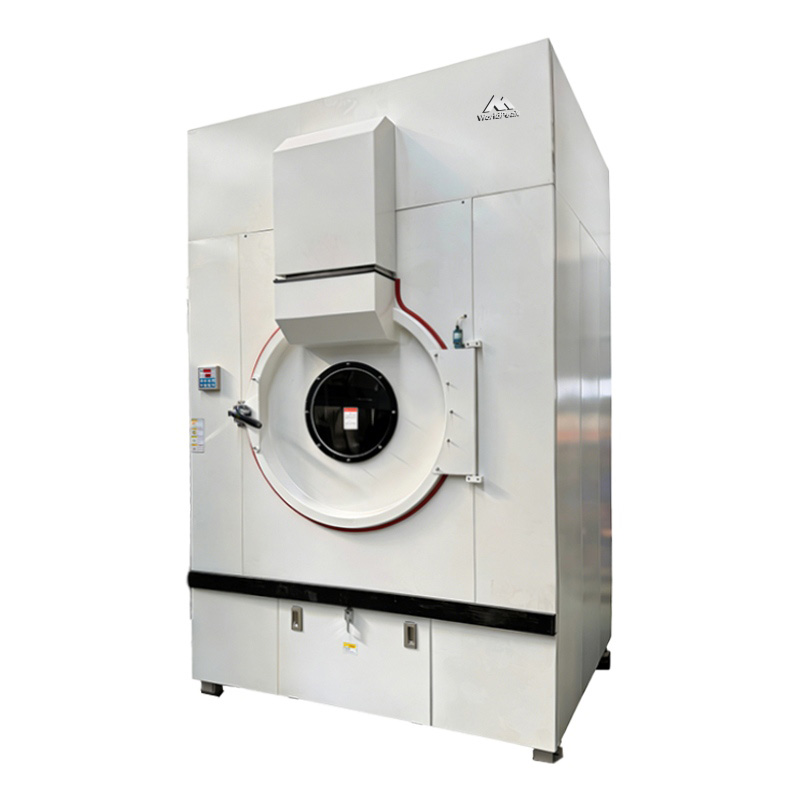
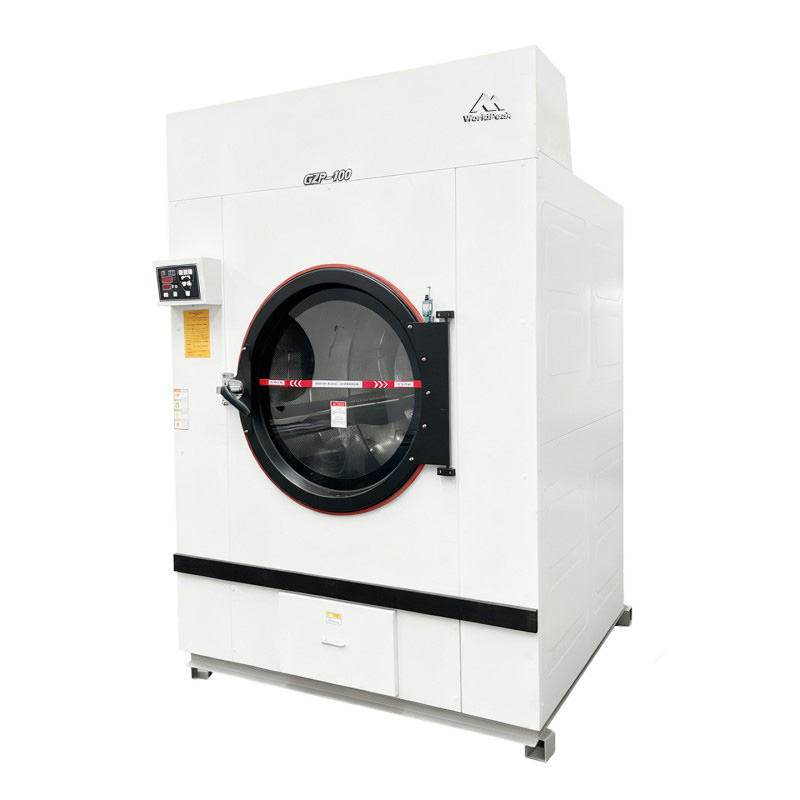
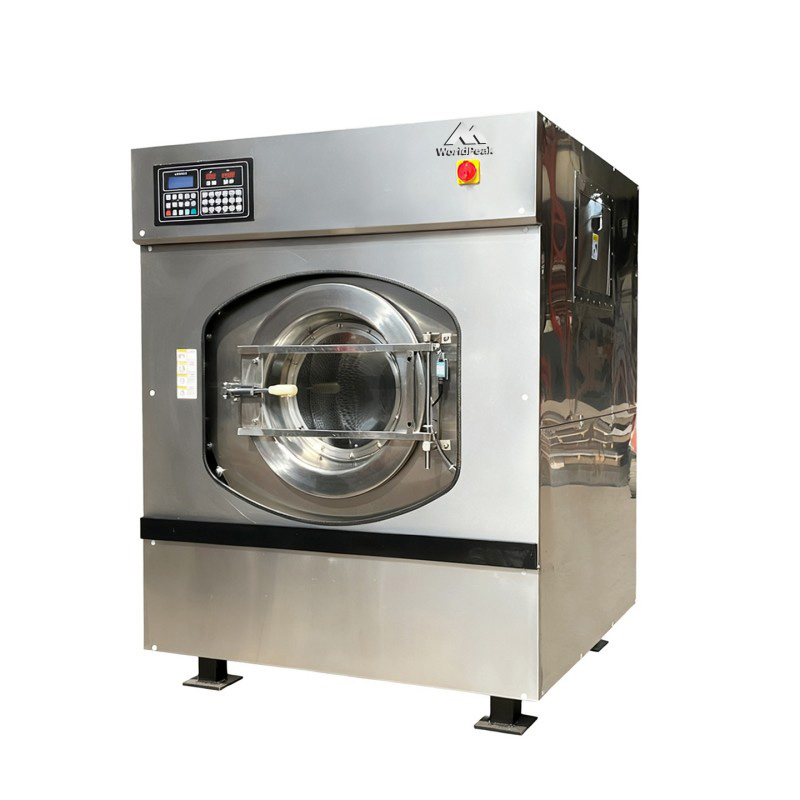
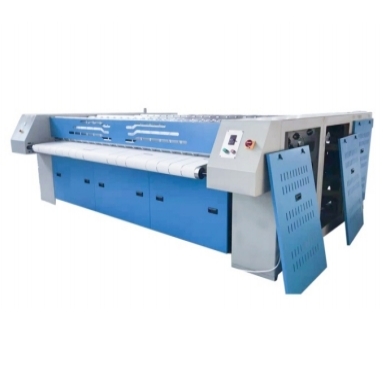
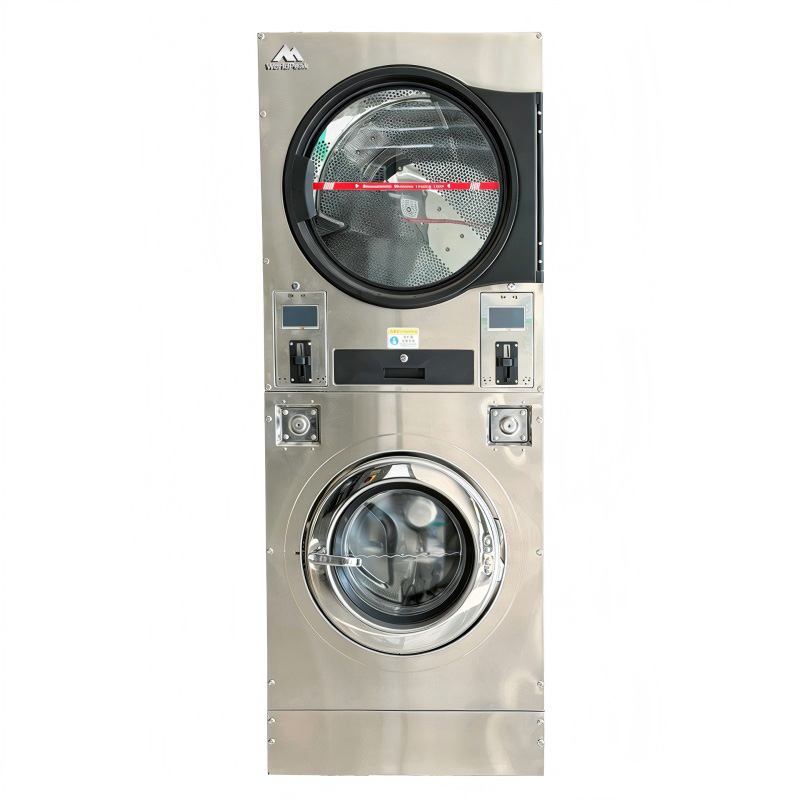
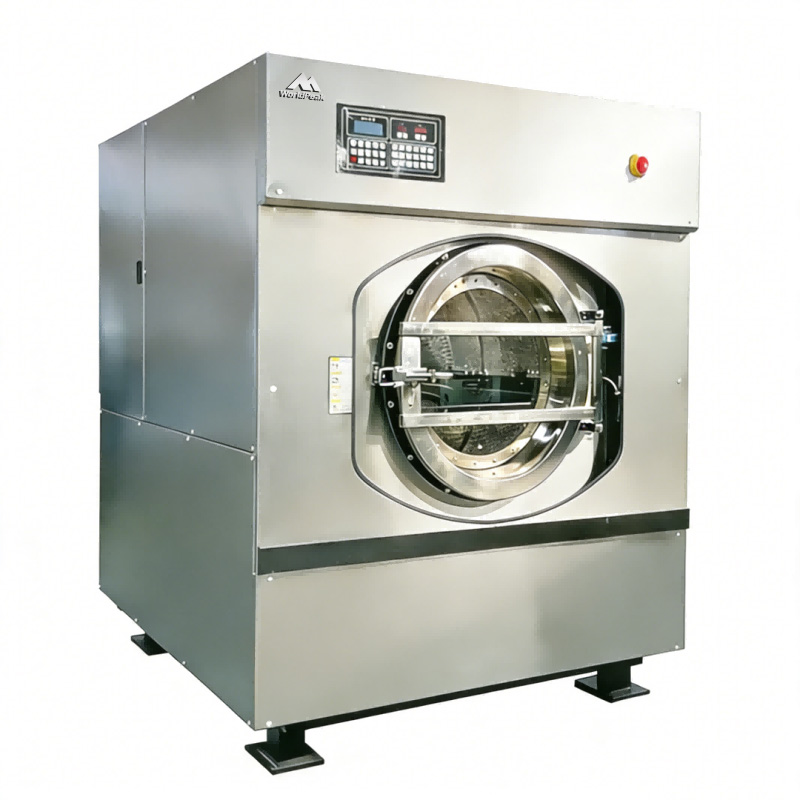
A complete commercial laundry equipment package includes much more than one industrial washing machine. A typical system is built around washer-extractors and may also include tumble dryers, flatwork ironers, folding equipment, steam or heating systems, chemical dosing equipment, water treatment equipment, and other supporting facilities.
Core Commercial Laundry Equipment
- Industrial washer-extractors
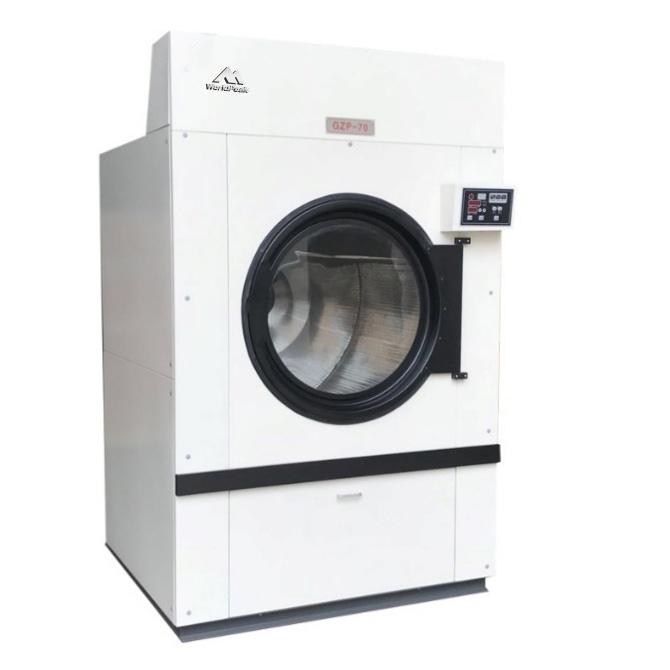
- Commercial tumble dryers
- Flatwork ironers
- Linen feeders
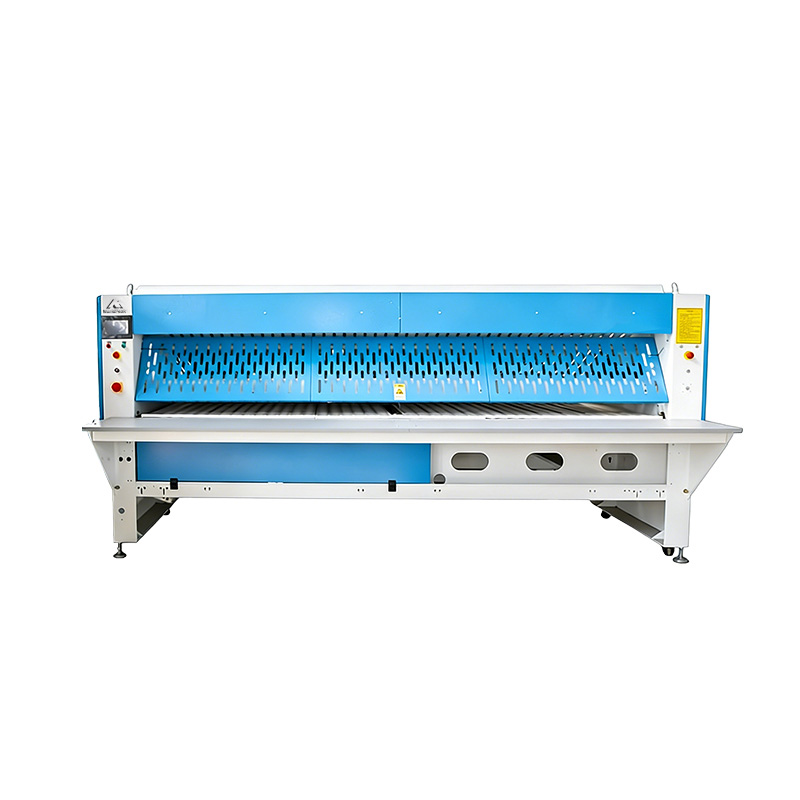
- Automatic folding machines
- Steam generators or boilers
- Automatic chemical dosing systems
- Water treatment equipment
- Linen carts and sorting equipment
The exact combination depends on daily linen volume, textile type, available floor space, labor costs, hygiene requirements, and the desired level of automation. For budget planning purposes, laundry equipment packages can generally be divided into small, medium, and large configurations.
Small Commercial Laundry Equipment Cost
Small-scale laundry equipment packages are mainly suitable for guesthouses, small hotels, elderly care facilities, schools, beauty salons, and small local laundry businesses. These facilities usually have relatively limited daily linen volumes and do not require continuous high-capacity production.
A basic package may include:
- 1 or 2 small or medium-capacity washer-extractors
- Matching commercial tumble dryers
- Basic ironing or finishing equipment
- Simple linen sorting and handling equipment
For a facility processing no more than approximately 300 sets of linen per day, a complete set of new equipment may require an estimated budget of around RMB 80,000 to RMB 150,000, depending on machine capacity and configuration.
Advantages of a Small Laundry Equipment Package
Small equipment packages have a relatively simple structure, require less installation space, and are easy to operate. They are suitable for facilities with limited staff and moderate daily workloads.
Because the initial investment is lower, many small laundry rooms use electric-heated equipment and rely more heavily on manual linen sorting, loading, unloading, and folding.
Medium Commercial Laundry Equipment Cost
Medium-sized equipment packages are among the most commonly selected configurations for chain hotels, medium-sized commercial laundries, schools, colleges, resorts, and institutional laundry rooms.
These systems may be designed for a daily processing capacity of approximately 500 to 1,000 sets of linen, depending on textile weight, operating hours, and equipment utilization.
Typical Medium-Sized Equipment Configuration
- Large-capacity fully automatic washer-extractors
- Matching industrial tumble dryers
- Double-roll flatwork ironer
- Optional linen feeder
- Semi-automatic or automatic folding machine
- Small steam generator or centralized steam connection
- Optional automatic chemical dosing system
The total price of a medium commercial laundry equipment package generally ranges from approximately RMB 180,000 to RMB 350,000.
Machines in this category often include variable-frequency drive technology, programmable washing cycles, and multiple heating options. Depending on the facility, operators may choose electric heating, steam heating, or a combination of different heat sources.
Why Medium-Sized Systems Are Popular
A medium-sized configuration provides a practical balance between initial equipment investment and production capacity. It can process larger linen volumes than a small laundry room without requiring the capital investment or installation space of a fully automated central laundry plant.
Large Commercial Laundry Equipment Cost
Large commercial laundry plants, luxury hotels, major hospitals, resorts, and centralized linen service companies generally require higher-capacity and more automated production lines.
These facilities may process more than 1,000 sets of linen per day and often use several washer-extractors and dryers simultaneously to maintain continuous production.
Typical Large Laundry Production Line
- Multiple high-capacity washer-extractors
- Multiple industrial tumble dryers
- Multi-roll high-speed flatwork ironers
- Automatic linen feeders
- Fully automatic folding machines
- Steam boiler or centralized steam system
- Automatic detergent dosing
- Water treatment systems
- Sorting, conveying, and linen handling equipment
A complete large-scale laundry production line generally starts at around RMB 400,000. Depending on capacity, brand, automation level, and supporting infrastructure, the total investment can increase substantially and may exceed RMB 1 million for highly automated installations.
Hospital Laundry Equipment
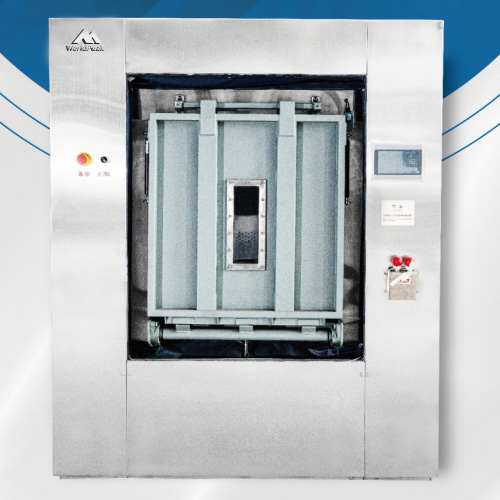
When processing hospital or healthcare textiles, standard commercial washer-extractors may need to be replaced or supplemented with medical barrier washer-extractors.
Barrier washers use separate loading and unloading doors to support physical separation between soiled and clean laundry areas. Additional hygiene zoning, disinfection processes, and supporting infrastructure can increase the overall project cost.
What Factors Affect Commercial Laundry Equipment Prices?
Even when two laundry equipment packages appear similar, the final quotation can differ significantly. Several factors directly influence the total price.
1. Washing Capacity
Equipment capacity is one of the most important price factors. A 20 kg washer-extractor costs considerably less than a 50 kg or 100 kg model because larger machines require stronger frames, larger drums, higher-power motors, and more robust drive systems.
2. Heating Method
Commercial laundry machines may use electric heating, steam heating, gas heating, or other thermal systems.
Electric-heated equipment usually has relatively simple installation requirements and can be suitable for smaller facilities. Steam-heated equipment requires additional steam infrastructure but is widely used in high-volume laundries where several washers, dryers, and ironers require heat simultaneously.
The most economical option depends on local electricity prices, fuel costs, steam availability, and daily operating hours.
3. Variable-Frequency Drive Technology
Variable-frequency drive systems allow more precise control of drum speed during washing and extraction. They can improve operating flexibility, reduce mechanical stress, and support more efficient control of different wash cycles.
Variable-frequency models generally cost more than basic fixed-speed equipment but may provide better long-term performance in facilities with frequent operation.
4. Equipment Materials and Construction
Stainless steel grade, drum construction, frame strength, bearing quality, shock absorption systems, and door design all affect machine durability and price.
Commercial laundry equipment designed for continuous high-volume operation generally uses heavier-duty components than entry-level equipment.
5. Automation Level
A basic laundry room depends heavily on manual loading, sorting, ironing, and folding. A more automated laundry plant may include:
- Automatic chemical dosing
- Automatic linen feeding
- High-speed ironing
- Automatic folding and stacking
- Sorting and conveyor systems
- Centralized control systems
Higher automation increases initial investment but can reduce repetitive manual handling and improve production consistency.
6. Energy-Saving Features
Features such as heat recovery, intelligent water-level control, optimized drying airflow, and programmable washing cycles may increase equipment cost but can help improve long-term resource efficiency.
7. Brand and After-Sales Service
Equipment prices also vary according to manufacturer reputation, warranty terms, spare-parts availability, installation support, technical service, and maintenance capability.
For commercial laundries that depend on continuous operation, equipment reliability and after-sales support should be considered alongside the initial purchase price.
New vs. Used Commercial Laundry Equipment
Some buyers with limited budgets consider purchasing second-hand commercial laundry equipment. Used equipment may cost around 30% to 50% of the price of comparable new machines, depending on age, condition, brand, and remaining service life.
However, a lower initial purchase price does not always mean a lower total cost of ownership.
Potential Risks of Used Equipment
- Higher risk of unexpected breakdowns
- Unknown maintenance history
- Wear on bearings, seals, motors, and drums
- Limited or no warranty coverage
- Difficulty sourcing spare parts
- Higher repair and maintenance costs
Used equipment may be suitable for temporary operations or backup capacity, but businesses planning long-term continuous production should carefully evaluate machine condition before purchase.
How to Choose the Right Laundry Equipment Package
The most important principle when purchasing a complete laundry equipment system is matching the equipment configuration to actual production requirements.
Calculate Daily Linen Volume
Before requesting a quotation, estimate the actual weight and quantity of linen that must be processed each day. This helps determine the required washer, dryer, ironing, and folding capacities.
Consider Operating Hours
A facility operating eight hours per day may require a different equipment configuration from one operating two shifts or continuously.
Identify the Main Textile Types
Hotels mainly process sheets, duvet covers, towels, and table linen, while hospitals handle healthcare textiles and factories may process uniforms or workwear. Different textile types can require different washing programs and finishing equipment.
Evaluate Site Conditions
Before purchasing equipment, check:
- Available floor space
- Water supply
- Drainage capacity
- Electrical power
- Steam or gas availability
- Ventilation and exhaust
- Equipment access routes
- Maintenance clearance
Balance Equipment Capacities
The capacity of each production stage should be reasonably matched. For example, installing large washer-extractors with insufficient drying capacity can cause wet linen to accumulate and create a production bottleneck.
Avoid Over-Specifying Equipment
Buying the largest or most automated equipment is not always the best solution. A small laundry facility that invests in a large automatic production line may have low equipment utilization and unnecessarily high capital costs.
Conversely, undersized equipment can lead to excessive operating hours, overloading, increased maintenance, and insufficient production capacity.
Frequently Asked Questions About Laundry Equipment Prices
How much does a complete set of commercial laundry equipment cost?
A small basic laundry equipment package may cost approximately RMB 80,000 to RMB 150,000. Medium-sized systems commonly range from RMB 180,000 to RMB 350,000, while large commercial laundry production lines may start at around RMB 400,000 and can exceed RMB 1 million depending on capacity and automation.
What equipment is included in a complete commercial laundry system?
A typical system includes industrial washer-extractors, tumble dryers, and ironing equipment. Larger systems may also include linen feeders, folding machines, automatic chemical dosing, steam systems, water treatment equipment, and sorting or conveyor systems.
How much laundry equipment does a small hotel need?
The required equipment depends on room count, occupancy rate, linen replacement frequency, and operating schedule. A small hotel may only require one or two washer-extractors, matching dryers, and basic ironing equipment, while a large hotel may require a complete automated laundry line.
Is steam-heated laundry equipment cheaper to operate than electric equipment?
The answer depends on local energy prices, daily operating hours, and whether steam infrastructure is already available. Steam heating is commonly used in high-volume laundries, while electric heating can be more practical for small installations without a boiler or steam supply.
Should I choose a washer-extractor or a traditional washing machine?
For most commercial applications, an industrial washer-extractor offers the advantage of combining washing, rinsing, and high-speed extraction in one machine. This reduces manual handling and eliminates the need for a separate hydro-extractor.
Is used commercial laundry equipment worth buying?
Used equipment can reduce initial investment, but buyers should carefully inspect machine condition, maintenance history, spare-parts availability, and warranty coverage. For facilities requiring reliable continuous operation, new equipment may provide more predictable long-term performance.
How do I get an accurate laundry equipment quotation?
To obtain a more accurate quotation, provide the supplier with daily linen volume, textile type, operating hours, available space, heating source, power supply, required level of automation, and any special hygiene requirements. A quotation based on actual production needs is more useful than comparing only individual machine prices.
Conclusion
There is no single standard answer to how much a complete set of commercial laundry equipment costs. The total investment depends on processing capacity, equipment quantity, machine specifications, automation level, heating system, site conditions, and long-term operating requirements.
As a general reference, a small laundry equipment package may require around RMB 80,000 to RMB 150,000, a medium-sized system around RMB 180,000 to RMB 350,000, and a large commercial laundry production line RMB 400,000 or more.
Before purchasing, buyers should determine daily linen volume, assess utility and site conditions, compare several equipment configurations, and consider both initial investment and long-term energy, labor, maintenance, and expansion costs. Choosing a properly matched system is more important than simply selecting the lowest-priced equipment and provides a stronger foundation for stable, efficient commercial laundry operations.