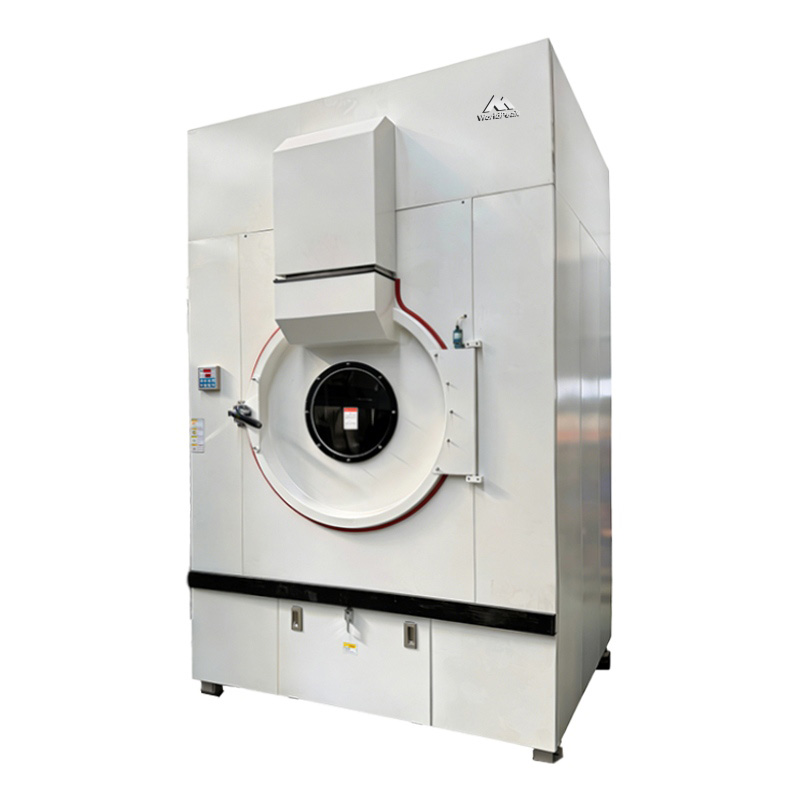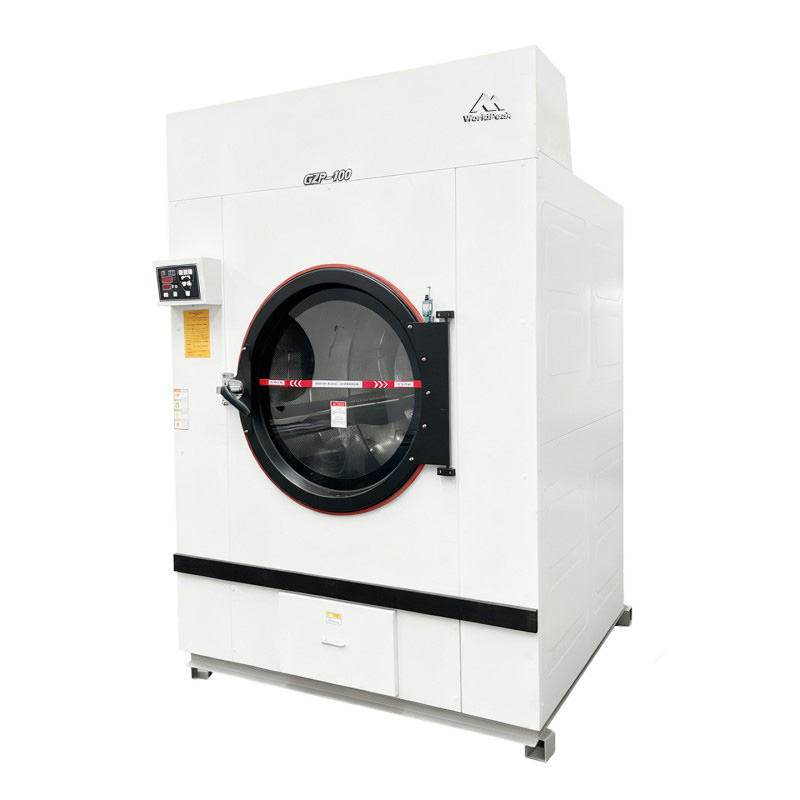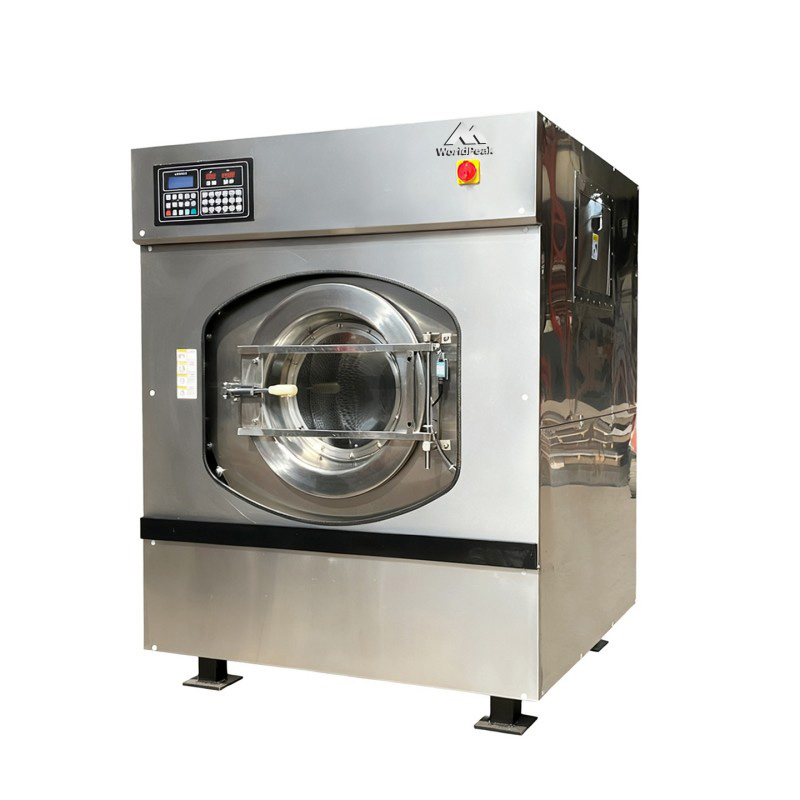


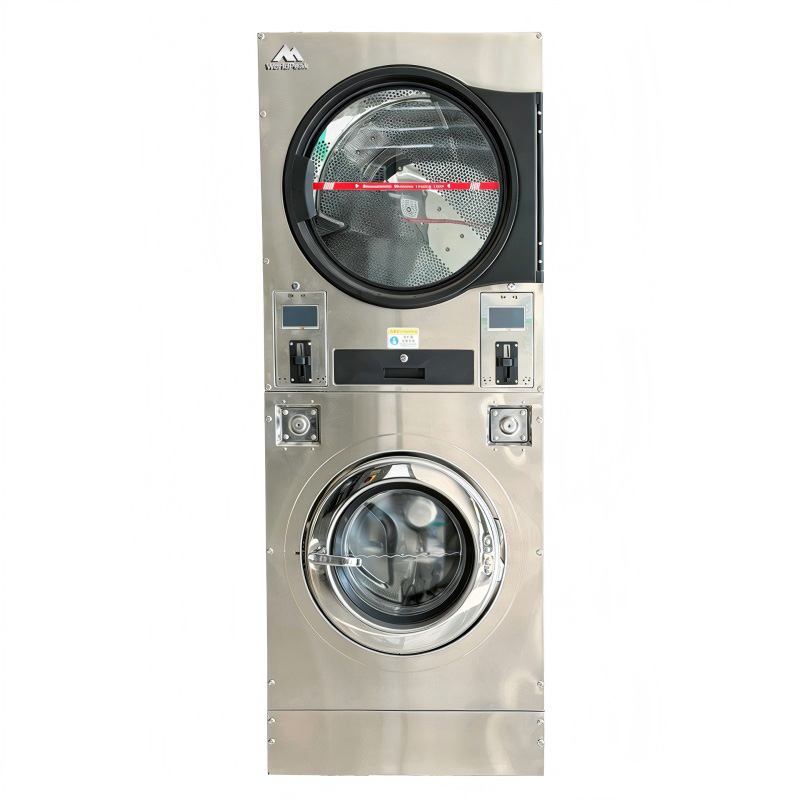
Searching for coin laundry machines for sale usually means you are either opening a new laundromat, replacing older equipment, or adding more capacity to an existing store.
The machines you choose will affect almost every part of the business: customer turnover, utility bills, maintenance costs, available floor space and how much revenue each square meter can produce.
That is why buying laundromat equipment should not start with the lowest price.A better place to start is with your customer base, expected daily traffic and the size mix of loads you want to handle.
What Are Coin Laundry Machines?
Coin laundry machines are commercial washers and dryers designed for self-service laundries.
Customers pay before each cycle, traditionally with coins, although many modern machines can also work with card systems, mobile payments or centralized payment terminals.
Compared with household appliances, commercial laundromat machines are built for frequent daily use.
A machine in a busy self-service laundry may run many cycles every day, so durability, cycle time and serviceability matter far more than they would in a home environment.
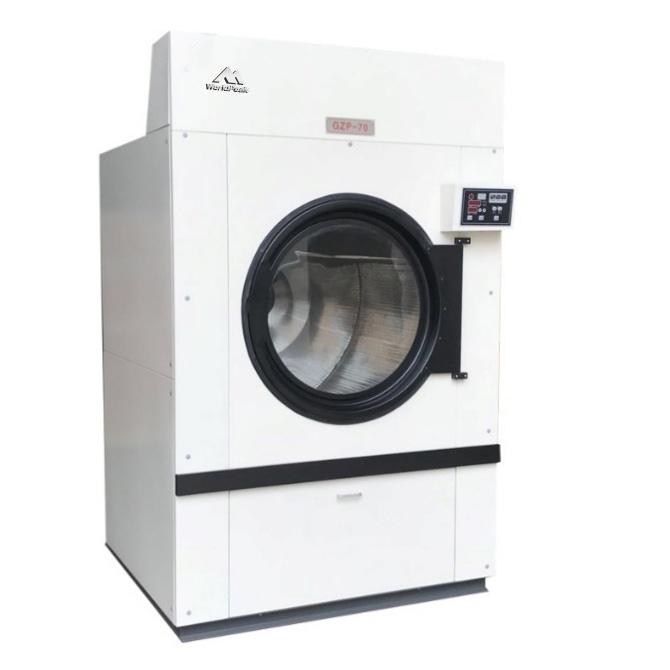
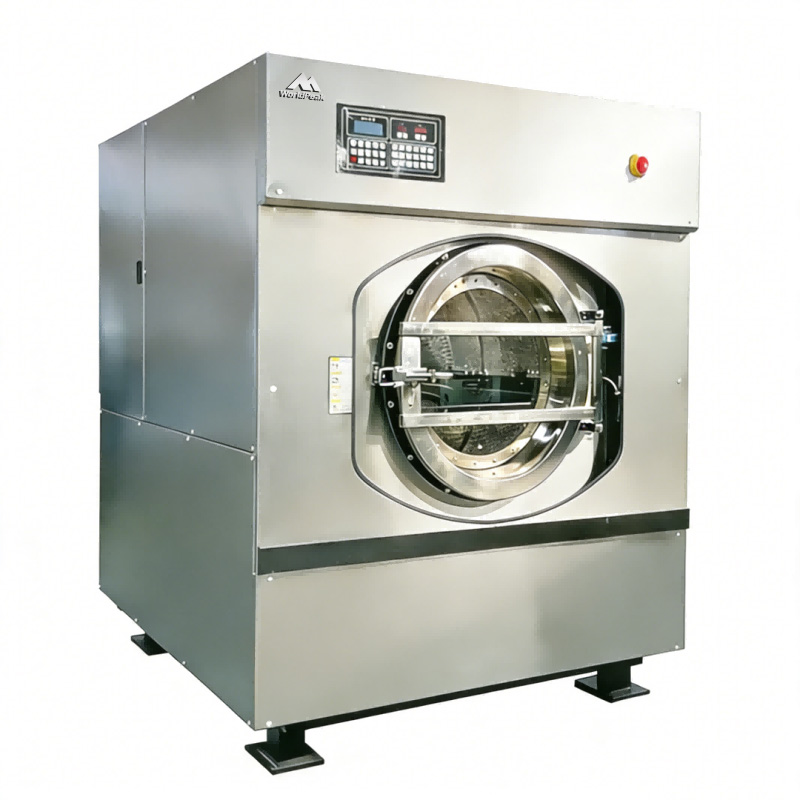
Common equipment includes:Coin operated washing machines、Coin operated dryers、Stack washer-dryer units、Large-capacity washers、Large-capacity tumble dryers、Payment systems、Laundry card systems、Central vending or payment stations
The best equipment mix depends on the size of the store and the type of customers it serves.

What Sizes of Coin Laundry Machines Are Available?
Commercial coin operated washers are available in a wide range of capacities.
Smaller machines are useful for everyday clothing, while larger units are needed for blankets, bedding and family-size loads.
Typical laundromat washer capacities may include:10kg to 15kg、18kg to 20kg、25kg to 30kg、35kg and above
Some laundromats also install extra-large machines specifically for bulky items.
A store filled only with small washers may lose customers who want to clean comforters or large bedding.
On the other hand, filling the entire store with large machines can be an inefficient use of floor space.
Most successful laundromats use a mix of sizes.
Coin Operated Washer or Card Payment System?
The term coin laundry machine is still widely used, but not every modern laundromat relies entirely on coins.
There are several payment options.
Traditional Coin Payment
Coin operated machines are simple and familiar.
Customers insert the required amount directly into the machine and start the cycle.
The system is easy to understand, but operators have to collect, count and manage coins regularly.
Coin mechanisms also require maintenance and can occasionally jam.
Card Payment
Laundry card systems allow customers to load money onto a reusable card.
This reduces the amount of cash handled inside the store and can make pricing easier to adjust.
Card systems can also provide useful operating data.
Mobile and Cashless Payment
Some newer laundromats use mobile apps, QR codes or contactless payment.
This can be convenient for customers who rarely carry coins.
When comparing coin laundry machines for sale, it is worth checking whether the machine can support more than one payment method.
A system that only accepts coins may be fine today, but payment flexibility can make future upgrades easier.
Front Load or Top Load Coin Laundry Machines?
Front-load machines are common in modern laundromats because they usually offer better water efficiency and higher extraction speeds.
Higher extraction speeds remove more water from the laundry before it reaches the dryer.
That can reduce drying time.
For the customer, this means less waiting. For the operator, it can mean lower energy use and faster machine turnover.
Top-load washers may have a lower purchase price and can still work well in some stores, but they are usually better suited to smaller loads.
For a new laundromat, front-load commercial washers are often the more flexible choice.
Why Extraction Speed Matters
Extraction performance is easy to overlook when comparing washing machines.
It should not be.
A washer that leaves too much water in the clothes shifts the problem to the dryer.
The dryer then needs more time and more energy to finish the load.
In a self-service laundry, this affects both operating cost and customer experience.
Customers do not want to pay for an extra drying cycle simply because the washer did not extract enough moisture.
A higher-speed washer can reduce that problem.
This is one reason why two machines with the same washing capacity may have very different prices.
How Many Washers and Dryers Does a Laundromat Need?
There is no fixed ratio that works for every store.
A laundromat near student housing may see many smaller loads.
A store in a family neighborhood may need more medium and large machines.
A location serving tourists or apartment residents may have different peak times.
Before buying equipment, estimate:
-
Expected number of customers per day
-
Average load size
-
Peak-hour demand
-
Average wash cycle time
-
Average drying time
-
Available floor space
Dryers should not become the bottleneck.
If customers finish washing but have to wait for a dryer, they may not return.
This is why laundromat layouts often provide substantial drying capacity relative to the number of washers.

Stack Washer-Dryer Units Can Save Space
For smaller laundromats, stack machines can be useful.
A stack washer-dryer combines two machines vertically and reduces the amount of floor space required.
Stack dryers are especially common because two dryer drums can occupy roughly the same floor area as one standard unit.
This can be valuable in high-rent locations where every square meter matters.
However, maintenance access should still be considered.
Saving space is useful only if technicians can reach the main components when repairs are needed.
How Much Do Coin Laundry Machines Cost?
The cost of coin laundry machines for sale varies widely.
Price depends on:
-
Washer or dryer capacity
-
Machine construction
-
Extraction speed
-
Payment system
-
Control system
-
Heating method
-
Energy efficiency
-
Brand
-
Installation requirements
-
Shipping and import costs
A small commercial washer costs much less than a large-capacity washer designed for bulky bedding.
Dryer prices also vary depending on capacity and whether the machine uses gas, electricity or another heating source.
For a new laundromat, equipment cost should be calculated as a complete package rather than machine by machine.
New vs. Used Coin Laundry Machines
Used laundromat equipment can lower the initial investment.
That can be attractive for buyers working with a limited budget.
But used machines should be inspected carefully.
Pay attention to:
-
Bearings
-
Seals
-
Drum condition
-
Door locks
-
Motors
-
Inverters
-
Payment mechanisms
-
Control boards
-
Suspension systems
-
Dryer burners or heating elements
A used machine that needs major repairs soon after installation may cost more than expected.
New equipment usually comes with better warranty coverage and easier access to replacement parts.
For first-time laundromat owners, that can make operations less stressful.
Energy Efficiency Has a Direct Effect on Profit
Utilities are one of the largest ongoing expenses in a self-service laundry.
Washers use water and electricity.Dryers use large amounts of heat.
Even small efficiency differences matter when machines run every day.
A more efficient washer may use less water per cycle.
A high-speed extractor may reduce drying time.
A well-designed dryer may move heated air through the drum more effectively.
The savings from one cycle may not look large.
Multiply that difference by hundreds or thousands of cycles, and the result becomes much more important.
For this reason, the cheapest machine is not always the lowest-cost machine to own.
Gas Dryer or Electric Dryer?
Both options are common.
Gas dryers often have lower running costs in areas where gas is affordable and readily available.
Electric dryers can be easier to install where gas infrastructure is not available.
The best choice depends on local utility prices and the building itself.
Before purchasing dryers, confirm:
-
Available gas supply
-
Electrical capacity
-
Ventilation requirements
-
Exhaust duct layout
-
Local installation regulations
Changing the utility system after the machines arrive can be expensive.
Floor Space Should Be Planned Before Buying Equipment
Buying machines before finalizing the store layout is a common mistake.
Machines also need adequate spacing for ventilation and service.
A crowded laundromat may fit more machines, but it can make the customer experience worse.
A good layout balances machine count with comfort and movement.
What Makes a Good Laundromat Machine?
A reliable laundromat machine should be simple for customers and easy for operators to maintain.
Look for:
-
Strong commercial construction
-
Stainless steel drum
-
Fast extraction
-
Clear controls
-
Flexible pricing settings
-
Durable door locks
-
Easy access for maintenance
-
Available spare parts
-
Reliable payment system
-
Good after-sales support
Complicated controls are not always an advantage.
In a self-service environment, customers should be able to understand the machine within a few seconds.
Clear instructions and simple cycle selection usually work best.
Can One Machine Handle Different Customer Needs?
Not really.That is why machine mix matters.Smaller washers are useful for everyday loads.
Medium machines serve couples and families.Large-capacity washers attract customers with quilts, blankets and other bulky items.
A laundromat that offers several size options can serve more customers without forcing everyone into the same machine.
Large washers can also generate more revenue per cycle.The challenge is choosing the right number of each size.
How to Choose a Coin Laundry Machine Supplier
A good equipment supplier should ask about the business before recommending machines.
Useful questions include:
How large is the store?
How many customers are expected per day?
What is the local utility setup?
Will the store use coins, cards or mobile payment?
What machine capacities are needed?
Is installation support required?
A supplier should also be able to provide:
-
Machine dimensions
-
Utility requirements
-
Installation drawings
-
Spare parts information
-
Warranty terms
-
Technical support
For a complete laundromat project, equipment layout support can be just as important as the machines themselves.
Questions to Ask Before You Buy
Before ordering coin laundry equipment, confirm the following:
What is the rated capacity of each machine?
What payment systems can it support?
How much water does the washer use per cycle?
What is the extraction speed?
How long is a typical wash cycle?
What heating method does the dryer use?
Are spare parts readily available?
What warranty is included?
Can the control system adjust pricing?
Is remote monitoring available?
What installation work is required?
These questions make it much easier to compare different suppliers.
Is It Better to Buy All Laundromat Equipment from One Supplier?
There are advantages.
Buying washers, dryers and payment systems as one package can simplify compatibility and installation.
The supplier can also help balance machine capacity and provide one point of contact for support.
Some experienced laundromat operators prefer to mix brands.
That can work well if they already know the equipment.
For a new store, a matched system is often easier to manage.
When looking for coin laundry machines for sale, focus on the business you want to build rather than just the machine price.
Think about customer load sizes, store traffic, payment methods, utility costs and available floor space.
The best laundromat does not necessarily have the most machines.
It has the right mix of washers and dryers, enough capacity during busy periods, reliable payment options and equipment that can handle repeated daily use.
A well-chosen machine should be easy for customers to use, economical to operate and straightforward to maintain.
That combination usually matters far more than finding the lowest initial price.