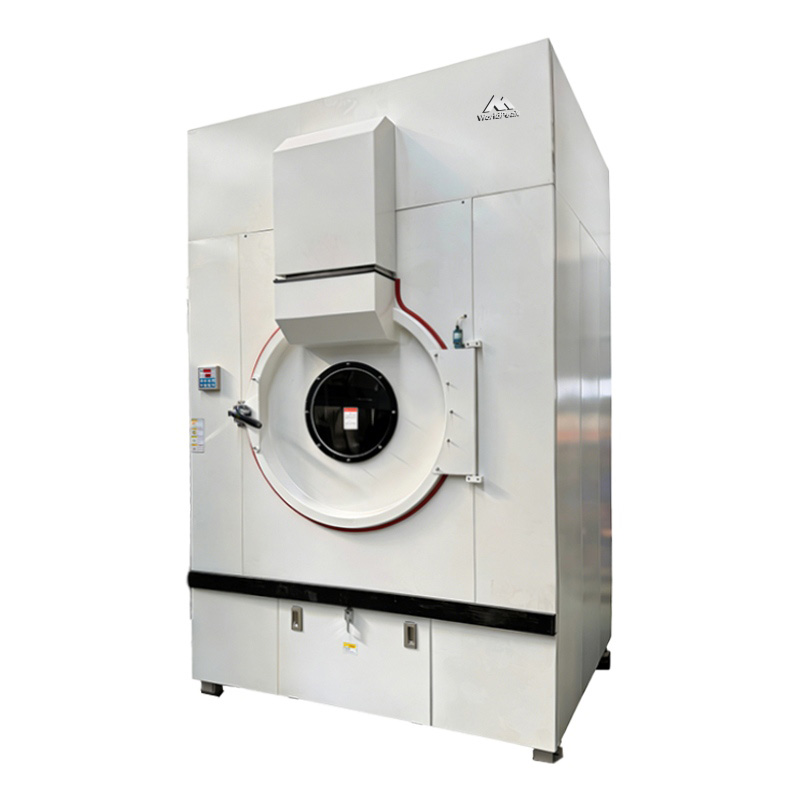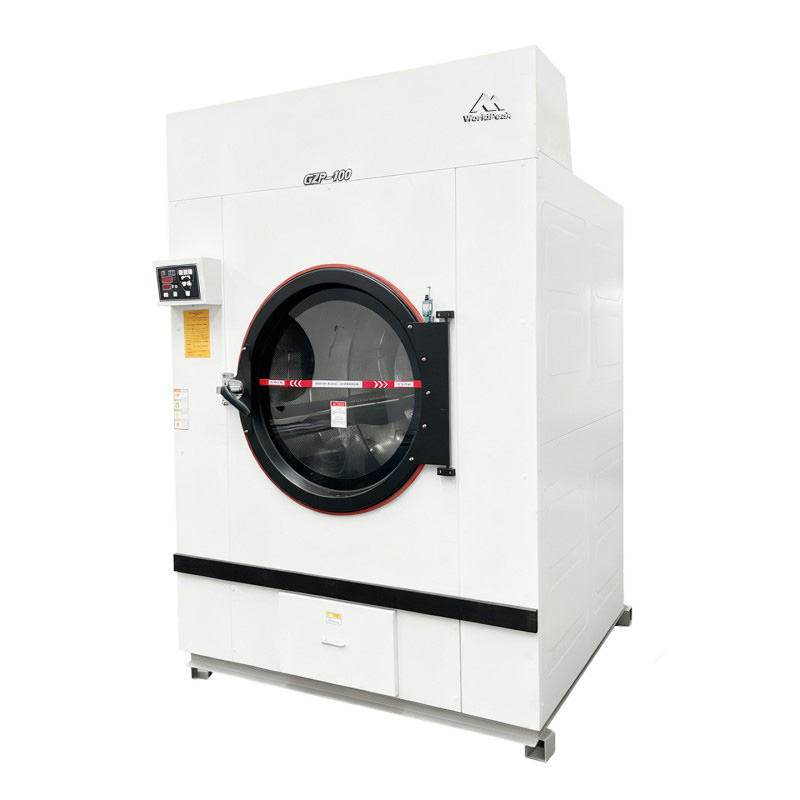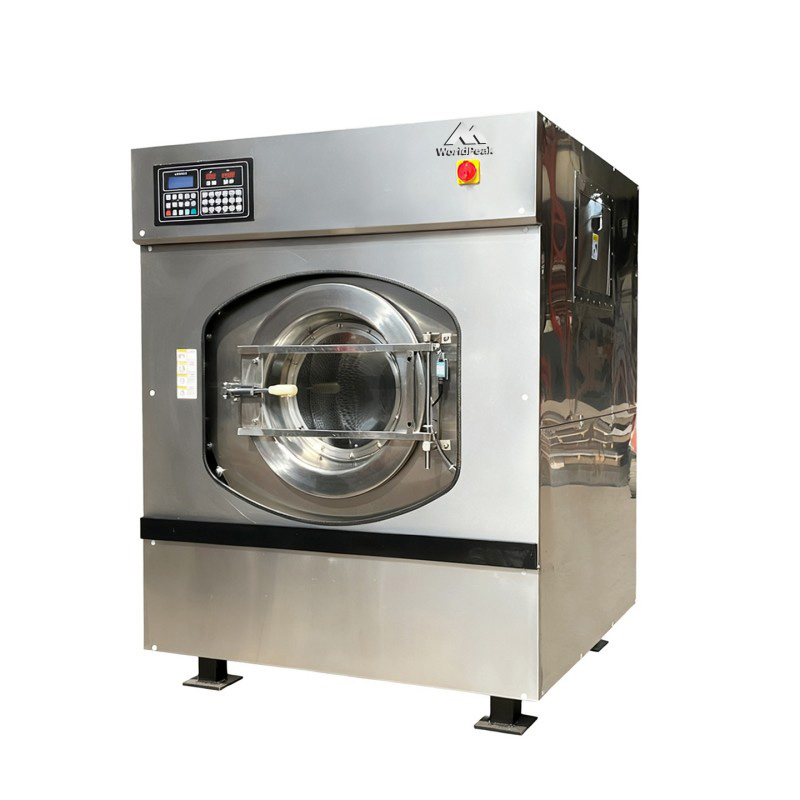
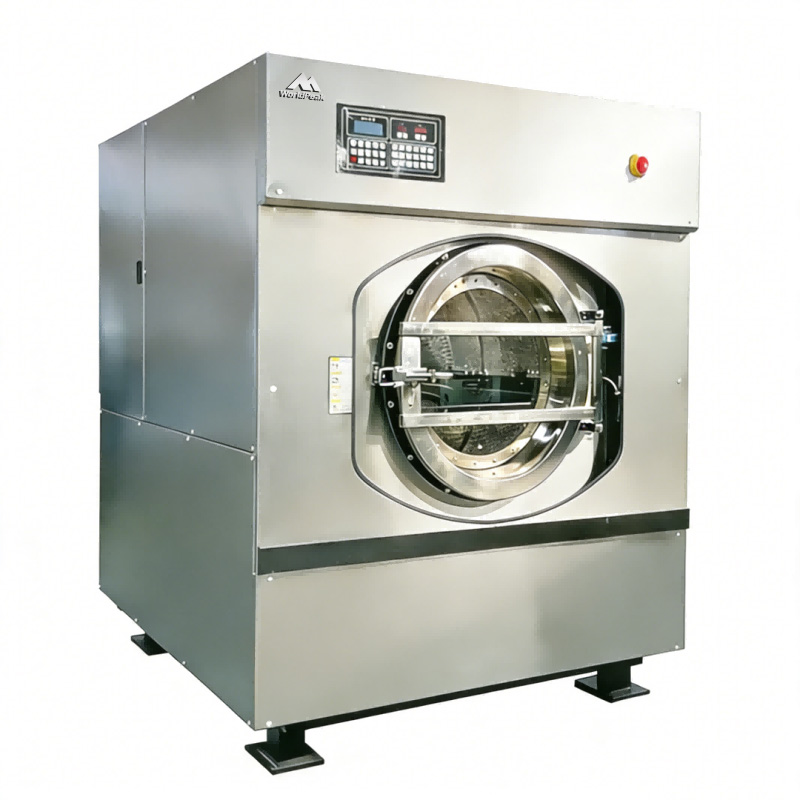
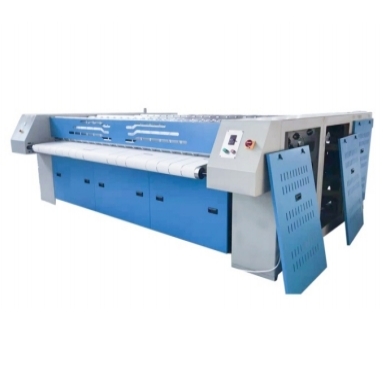
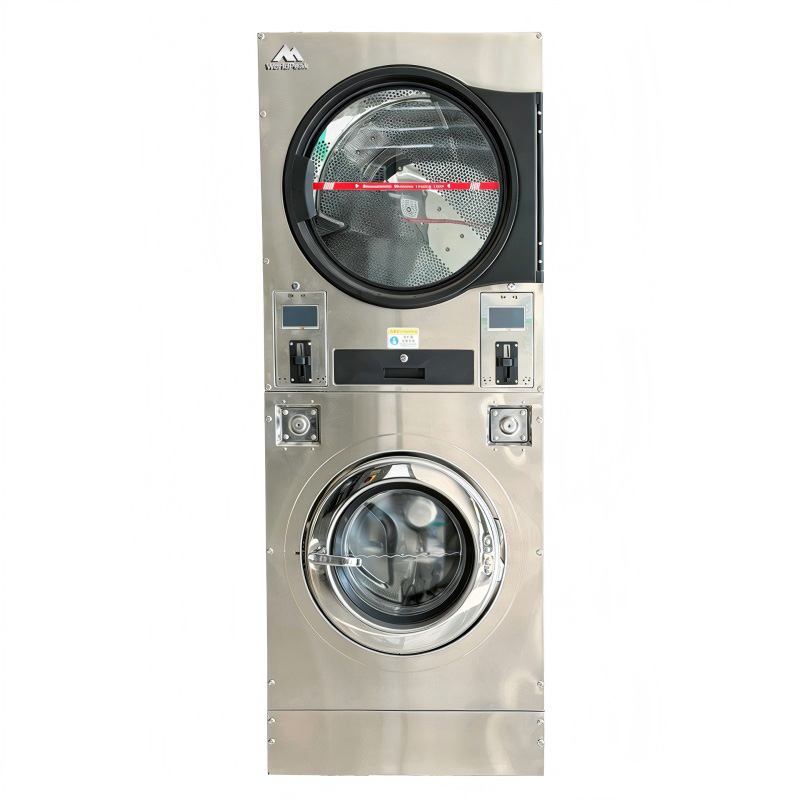
In modern commercial laundry operations, the industrial washer-extractor has become one of the most important pieces of equipment in professional laundry rooms. It is widely used in commercial laundries, hotels, hospitals, schools, nursing homes, factories, and other facilities that process large volumes of linen or workwear. Unlike traditional systems that use separate washing machines and hydro-extractors, a washer-extractor combines washing, rinsing, and high-speed water extraction in a single machine. This integrated design eliminates the need to manually transfer wet textiles between machines and can complete the main washing process in one continuous cycle. With advantages such as easy operation, compact installation, programmable controls, stable performance, and a wide range of capacities, industrial washer-extractors are a practical core solution for many commercial laundry applications.
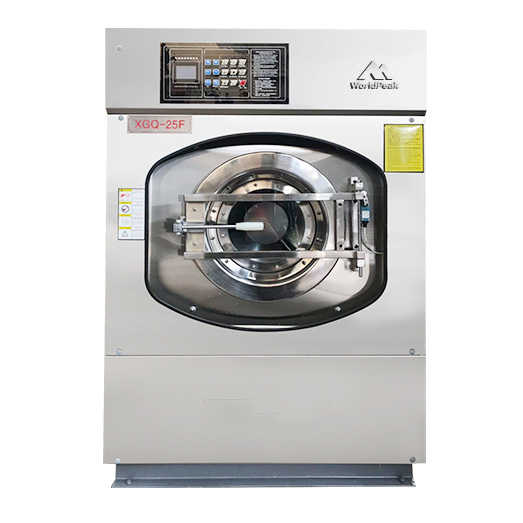
- What Is an Industrial Washer-Extractor?
- How Does an Industrial Washer-Extractor Work?
- Main Advantages of Industrial Washer-Extractors
- Washing Performance and Hygiene
- Durability and Operating Stability
- Industrial Washer-Extractor Capacities
- Electric vs. Steam Heating
- Energy Efficiency and Maintenance
- Common Applications
- How to Choose an Industrial Washer-Extractor
- Frequently Asked Questions
What Is an Industrial Washer-Extractor?
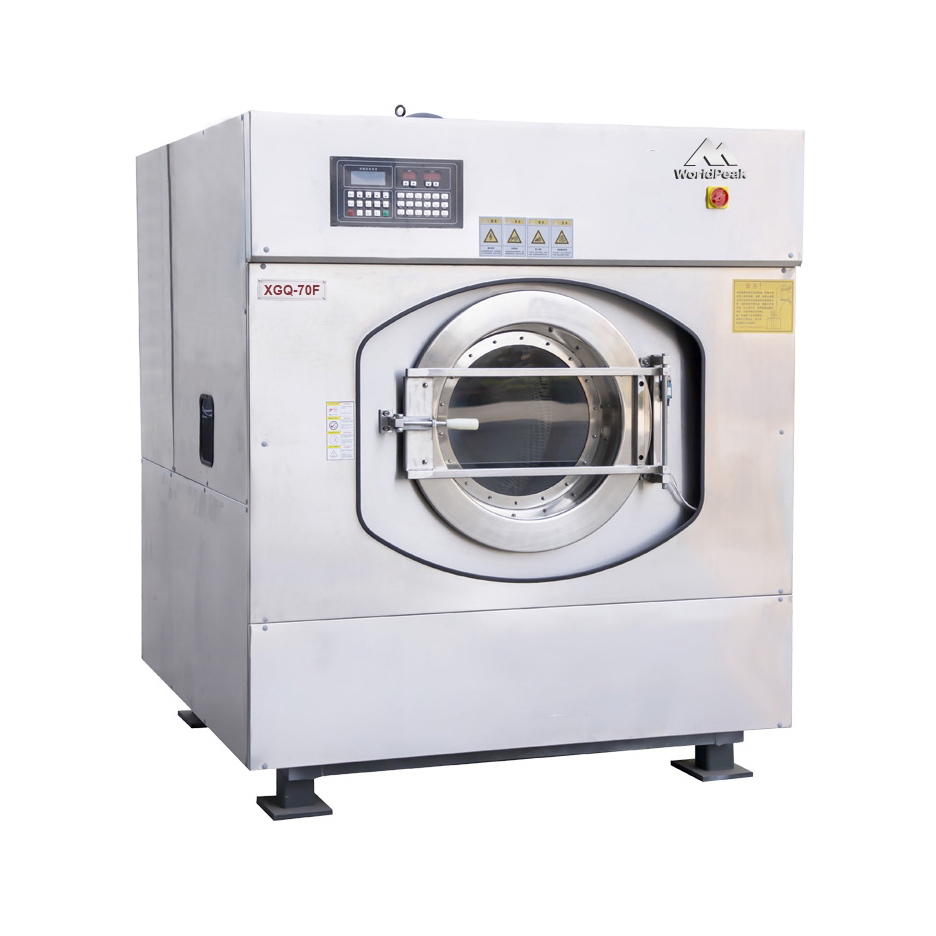
An industrial washer-extractor is a professional laundry machine that integrates washing, rinsing, draining, and high-speed extraction into a single piece of equipment. It is designed for commercial and institutional facilities that require higher capacity, greater durability, and more frequent operation than typical household washing machines can provide.
Traditional laundry systems may require a separate washing machine and hydro-extractor. After washing, operators need to manually move heavy, water-saturated textiles from one machine to another. A washer-extractor eliminates this additional transfer step by completing washing and extraction in the same drum.
This integrated design can help simplify laundry room workflows, reduce manual handling, save floor space, and improve production efficiency.
How Does an Industrial Washer-Extractor Work?
An industrial washer-extractor uses programmable automatic cycles to complete the main stages of textile washing. After linen is loaded and the appropriate program is selected, the machine can automatically control water filling, washing, draining, rinsing, and final extraction.
Typical Washer-Extractor Cycle
- Water filling
- Detergent or chemical dosing
- Main washing
- Drainage
- One or more rinsing cycles
- Final high-speed extraction
Depending on the machine configuration, operators can adjust water level, washing temperature, drum speed, washing time, rinse cycles, and extraction speed according to different textile types and cleaning requirements.
Once the program is started, relatively little manual intervention is required until the cycle is complete. This makes industrial washer-extractors particularly useful in facilities processing multiple laundry batches every day.
Main Advantages of Industrial Washer-Extractors
1. Integrated Washing and Extraction
One of the main advantages of an industrial washer-extractor is its integrated design. Washing, rinsing, and water extraction are completed in one drum, eliminating the need for a separate hydro-extractor.
This reduces textile handling between different machines and can create a simpler and more efficient laundry workflow.
2. Reduced Manual Handling
Traditional laundry systems may require operators to manually transfer wet linen after washing. Large quantities of water-saturated sheets, towels, or workwear can be heavy and difficult to handle.
By completing the extraction process automatically, washer-extractors reduce repetitive manual lifting and transfer operations.
3. Faster Laundry Processing
High-speed extraction removes a substantial amount of residual moisture before textiles enter the drying or finishing stage. Lower residual moisture can shorten tumble-drying time and help increase the overall throughput of the laundry facility.
4. Compact Equipment Layout
Because washing and extraction take place in one machine, a washer-extractor generally requires less total floor space than a system consisting of separate washers and hydro-extractors.
This can be especially valuable in hotel laundry rooms, nursing homes, schools, and smaller commercial laundries where installation space is limited.
Washing Performance and Hygiene
Industrial washer-extractors are designed to process a wide variety of commercial textiles, including towels, bed sheets, duvet covers, table linen, uniforms, workwear, and healthcare textiles.
Programmable controls allow different washing cycles to be created for different textile categories and soil levels. Depending on the selected program, washing temperature, washing time, mechanical action, rinse frequency, and chemical dosing can be adjusted to achieve more consistent results.
Programmable Wash Cycles
Different fabrics require different washing conditions. Towels may require a different cycle from bed sheets, while heavily soiled workwear may require longer washing times or different chemical programs.
Industrial washer-extractors allow operators to store standardized washing programs, helping reduce differences caused by manual operation.
High-Temperature Washing
Many industrial washer-extractors support hot-water or high-temperature washing when the machine, textile type, and laundry process permit it. Controlled-temperature washing can support hygiene management and improve the removal of certain soils and odors.
For healthcare facilities, however, washing temperature alone should not be treated as a complete infection-control solution. Medical laundries should use validated washing and disinfection procedures and comply with applicable local hygiene requirements.
Improved Rinsing Control
Programmable rinse cycles help remove detergent and processing chemicals from textiles. Appropriate rinsing is important for maintaining linen quality, reducing unnecessary chemical residue, and preparing fabrics for drying and finishing.
Durability and Operating Stability
Commercial laundry facilities often operate several washing cycles per day, so machine durability is an important consideration when selecting an industrial washing machine.
Industrial washer-extractors are generally built with reinforced frames, stainless steel drums, heavy-duty bearings, commercial-grade motors, and professional suspension systems designed for repeated high-load operation.
Stainless Steel Construction
Components that regularly come into contact with water, detergents, and textiles are commonly manufactured from stainless steel. This helps improve corrosion resistance and supports long-term operation in demanding laundry environments.
Suspension and Shock Absorption
During high-speed extraction, the drum rotates rapidly to remove water from the load. A professional suspension and balancing system helps control vibration and maintain machine stability.
Properly designed shock absorption also helps reduce vibration transmitted to the floor and surrounding equipment.
Industrial-Duty Drive System
The motor, inverter, bearings, and transmission components are designed for more frequent operation than those typically found in household washing equipment.
Machine quality, correct loading, installation conditions, maintenance, and operating practices all influence actual equipment life and reliability.
Industrial Washer-Extractor Capacities
One reason industrial washer-extractors are widely used is the broad range of available capacities. Businesses can select a machine according to daily laundry volume, textile type, operating hours, and available installation space.
12 kg to 20 kg Washer-Extractors
Small-capacity models are suitable for facilities with relatively low daily laundry volumes, including:
- Small hotels and guesthouses
- Beauty salons and spas
- Schools
- Small nursing homes
- Fitness centers
- Small garment-care businesses
30 kg to 50 kg Washer-Extractors
Medium-capacity machines are commonly used by:
- Medium-sized hotels
- Restaurants
- Factories
- Institutional laundries
- Small commercial laundry plants
These models provide a balance between washing capacity, installation space, and operational flexibility.
100 kg and Larger Washer-Extractors
Large-capacity washer-extractors are designed for high-volume applications such as:
- Commercial linen laundries
- Large hotels and resorts
- Centralized laundry plants
- Large hospitals
- Industrial workwear laundries
Large laundry plants may install several 100 kg or higher-capacity machines to create a flexible production system capable of processing multiple textile categories simultaneously.
Electric vs. Steam Heated Washer-Extractors
Industrial washer-extractors are available with different heating configurations. The most suitable option depends on laundry volume, available utilities, energy costs, and the existing infrastructure of the facility.
Electric Heating
Electric-heated washer-extractors are convenient in locations where steam infrastructure is unavailable. Installation can be relatively straightforward, provided that sufficient electrical capacity is available.
They may be suitable for smaller laundries or facilities with moderate daily washing volumes.
Steam Heating
Steam-heated washer-extractors are widely used in larger hotels, hospitals, and commercial laundry plants that already have a centralized steam supply.
Where several washers, dryers, and flatwork ironers require thermal energy, a centralized steam system can provide an efficient solution. The most economical option depends on local electricity, fuel, steam, and infrastructure costs.
Energy Efficiency, Operation and Maintenance
Modern industrial washer-extractors increasingly use variable-frequency drive systems and programmable controls to improve operational efficiency.
Variable-Frequency Drive Technology
A variable-frequency drive allows the drum speed to be adjusted during washing, distribution, and extraction. This provides more precise control of the washing process and helps manage motor performance and vibration.
High-Speed Extraction
Higher extraction performance can reduce residual moisture in textiles. This can shorten the subsequent drying process and reduce the amount of thermal energy required by tumble dryers.
Automatic Chemical Dosing
Some washer-extractors can be connected to automatic detergent and chemical dosing systems. This allows predetermined quantities of detergent, alkali, bleach, disinfectant, softener, or other laundry chemicals to be supplied according to the selected program.
Automatic dosing can improve process consistency and reduce the risk of excessive or insufficient manual chemical addition.
Routine Maintenance
Regular maintenance is essential for reliable long-term operation. Typical inspection and maintenance tasks include:
- Cleaning detergent compartments and filters
- Checking door seals
- Inspecting water inlet and drain valves
- Checking belts and drive components where applicable
- Inspecting bearings and suspension components
- Cleaning the drum and machine interior
- Checking electrical and control systems
Maintenance requirements vary by manufacturer and model, so operators should follow the equipment manufacturer's recommended service schedule.
Common Applications of Industrial Washer-Extractors
Industrial washer-extractors are used across many industries where textiles must be washed regularly and consistently.
Hotels and Resorts
Hotels use washer-extractors to process bed sheets, duvet covers, pillowcases, towels, bathrobes, restaurant linen, and staff uniforms.
Hospitals and Healthcare Facilities
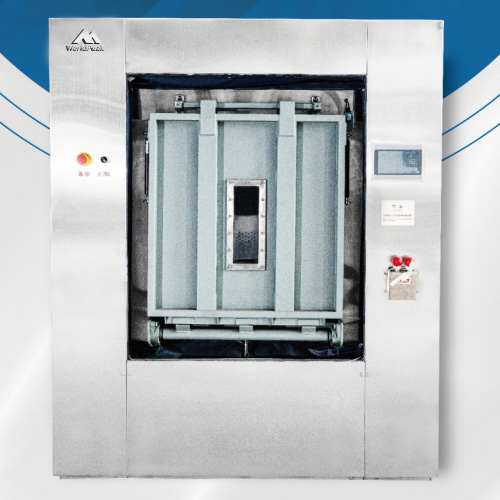
Healthcare laundries process bed linen, patient garments, towels, uniforms, and other reusable textiles. Depending on hygiene requirements, hospitals may require specialized barrier washer-extractors and physical separation between soiled and clean laundry areas.
Commercial Laundry Plants
Professional laundries use multiple washer-extractors to process linen from hotels, restaurants, factories, healthcare institutions, and other customers.
Schools and Universities
Educational institutions may use commercial washer-extractors for dormitory linen, sports textiles, uniforms, and other campus laundry requirements.
Nursing Homes
Nursing and residential care facilities commonly process bedding, towels, resident garments, and staff uniforms, making reliable commercial washing equipment important for daily operations.
Factories and Workwear Laundries
Industrial facilities can use heavy-duty washer-extractors for uniforms, protective clothing, reusable cleaning textiles, and other workwear applications.
How to Choose an Industrial Washer-Extractor
Choosing the right washer-extractor requires more than simply selecting a drum capacity. Several operating factors should be considered together.
1. Calculate Daily Laundry Volume
Estimate the total weight of textiles processed each day and determine how many washing cycles can realistically be completed during operating hours.
2. Identify Textile Types
Sheets, towels, uniforms, workwear, and healthcare textiles have different washing requirements. The machine should support appropriate programs for the main fabrics being processed.
3. Select the Right Capacity
Oversized machines increase the initial investment and may operate inefficiently when frequently underloaded. Undersized machines may require excessive cycles and create production bottlenecks.
4. Consider Extraction Performance
If tumble drying represents a major part of the laundry process, higher extraction performance can reduce residual moisture and improve downstream drying efficiency.
5. Evaluate Heating Options
Choose electric, steam, or other available heating configurations according to local energy costs and facility infrastructure.
6. Review Installation Requirements
Confirm machine dimensions, floor loading, electrical supply, water supply, drainage, ventilation, steam connections, door access, and maintenance clearance before purchase.
7. Consider After-Sales Support
Commercial laundries depend on equipment availability. Spare-parts supply, technical support, warranty coverage, installation service, and maintenance response should therefore be considered alongside the purchase price.
Frequently Asked Questions About Industrial Washer-Extractors
What is the difference between a washer-extractor and a washing machine?
A washer-extractor is designed for commercial or industrial laundry use and combines washing, rinsing, and high-speed water extraction in one machine. Compared with typical household washing machines, industrial washer-extractors generally provide larger capacities, stronger construction, programmable washing cycles, and greater suitability for frequent operation.
What is the difference between a washer-extractor and a hydro-extractor?
A hydro-extractor is used mainly to remove water from already washed textiles. A washer-extractor performs both the washing process and the final extraction in the same drum, eliminating the need to transfer wet linen to a separate extraction machine.
What size industrial washer-extractor do I need?
The correct size depends on daily laundry weight, available operating hours, number of required cycles, textile type, and peak demand. Common commercial capacities include 20 kg, 30 kg, 50 kg, and 100 kg.
Is a 100 kg washer-extractor suitable for a hotel?
A 100 kg machine may be suitable for a large hotel or centralized hotel laundry with substantial daily linen volume. Smaller hotels may obtain better utilization from 20 kg, 30 kg, or 50 kg machines, depending on occupancy and washing schedules.
Can industrial washer-extractors wash hospital linen?
Yes, but equipment selection and laundry room design must follow applicable healthcare hygiene requirements. Facilities that require strict separation between contaminated and clean areas may use barrier washer-extractors rather than conventional front-loading commercial machines.
Are steam-heated washer-extractors better than electric models?
Neither option is universally better. Steam heating is often practical in large commercial laundries with existing steam infrastructure, while electric heating may be more convenient for smaller facilities without a boiler or centralized steam supply. The best option depends on operating volume, local energy prices, and installation conditions.
How long does an industrial washer-extractor last?
Service life varies according to machine quality, operating frequency, loading practices, water quality, chemical use, installation, and maintenance. Properly maintained commercial equipment can provide many years of service, but operators should follow the manufacturer's preventive maintenance schedule.
Does high-speed extraction reduce drying costs?
High-speed extraction can reduce the residual moisture in washed textiles, which may shorten tumble-drying time and reduce the thermal energy required during the drying stage. Actual savings depend on textile type, extraction performance, dryer efficiency, and local energy costs.
An industrial washer-extractor is one of the core machines in a modern commercial laundry. By combining washing, rinsing, and high-speed extraction in a single unit, it simplifies production workflows, reduces manual textile handling, saves floor space, and prepares linen more efficiently for drying and finishing.
With capacities ranging from compact commercial models to 100 kg and larger industrial machines, washer-extractors can be configured for hotels, hospitals, nursing homes, schools, factories, and professional laundry plants. Features such as programmable washing cycles, variable-frequency drives, automatic chemical dosing, stainless steel construction, and multiple heating options further improve their adaptability to different operating conditions.
When choosing a washer-extractor, businesses should consider daily laundry volume, textile categories, required capacity, extraction performance, heating method, installation conditions, energy costs, maintenance requirements, and after-sales support. Selecting a machine that matches the actual workload is essential for achieving reliable production, consistent washing quality, and efficient long-term commercial laundry operation.