
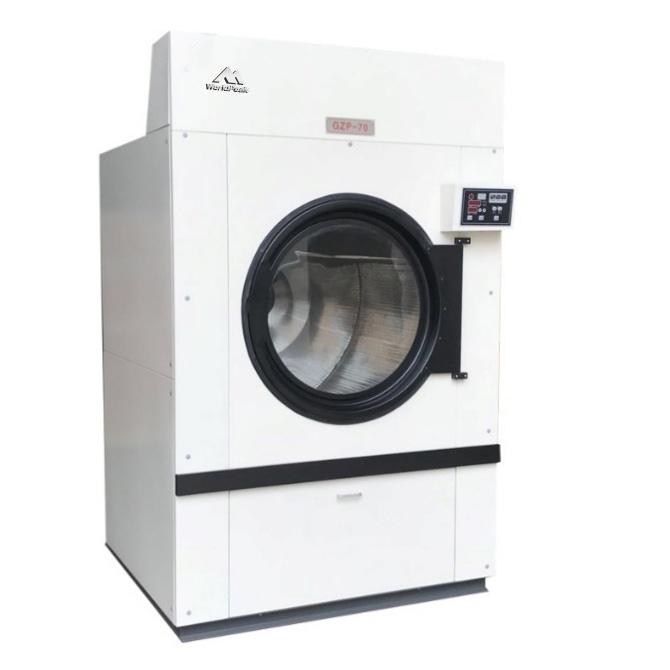
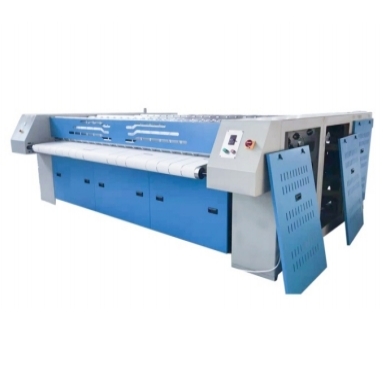
Washing machines used in ordinary households are designed to handle relatively small loads of everyday clothing. However, hotels, hospitals, commercial laundries, factories, and other businesses often need to wash large quantities of bed linen, towels, uniforms, workwear, and other textiles every day. In these situations, an industrial washing machine is a more suitable choice. Although industrial and household washing machines perform similar basic washing functions, they differ significantly in capacity, machine structure, durability, washing efficiency, hygiene standards, and intended applications.
Table of Contents
- What Is an Industrial Washing Machine?
- Industrial Washing Machine vs Household Washing Machine
- Industrial Washing Machine Structure and Durability
- How an Industrial Washer-Extractor Works
- Types of Industrial Washing Machines
- How to Choose the Right Industrial Washing Machine Capacity
- Advantages of Industrial Washing Machines
- Common Industrial Washing Machine Applications
- Frequently Asked Questions
What Is an Industrial Washing Machine?
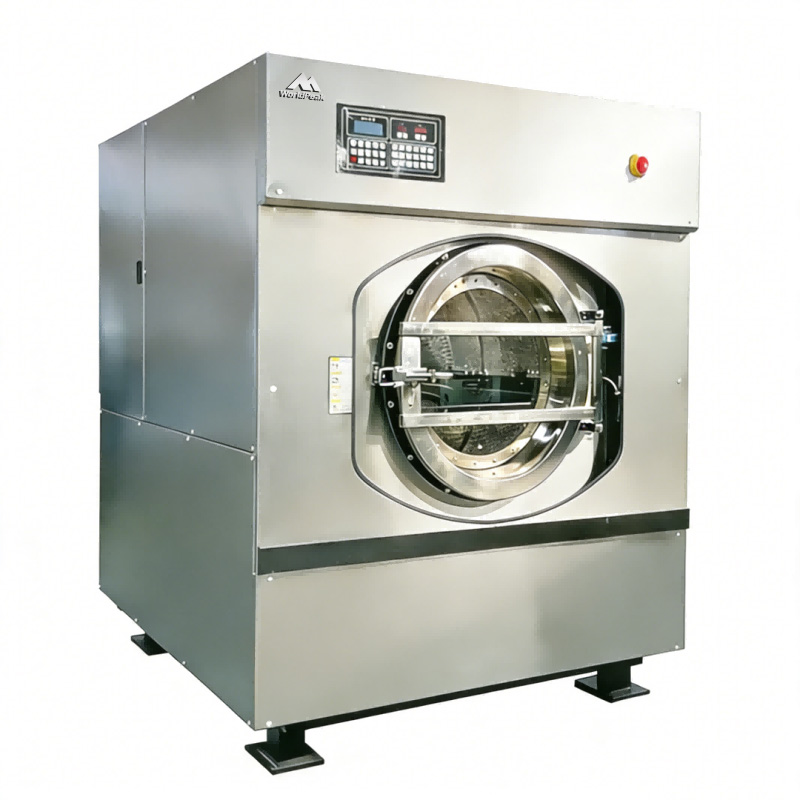
An industrial washing machine is professional laundry equipment designed for high-volume, high-frequency textile washing. Compared with household washing machines, industrial models offer larger capacities, stronger machine structures, higher extraction speeds, programmable washing cycles, and greater durability.
Industrial washing machines are commonly available in capacities ranging from approximately 12 kg to 100 kg or more. Depending on the model, one machine can wash large quantities of bed sheets, duvet covers, towels, uniforms, protective clothing, medical textiles, and other commercial laundry items in a single cycle.
This high-capacity design makes industrial washing equipment particularly suitable for centralized laundry operations where washing efficiency and consistent cleaning quality are important.
Industrial Washing Machine vs Household Washing Machine
The main difference between an industrial washing machine and a household washing machine is not simply their physical size. Industrial laundry equipment is engineered for frequent operation, heavy loads, commercial cleaning requirements, and long-term use.
1. Washing Capacity
Household washing machines are generally designed for small family laundry loads. Industrial washing machines can process much larger quantities of textiles per cycle, making them more suitable for hotels, hospitals, factories, laundries, and other commercial facilities.
2. Machine Structure
Industrial washing machines typically use reinforced stainless steel drums and heavy-duty frames. Their mechanical structures are designed to withstand repeated operation with large textile loads.
Household machines, by comparison, are generally designed for intermittent daily use and are not intended for continuous commercial operation.
3. Durability
Industrial washing equipment uses more robust bearings, motors, drums, shock-absorption systems, and transmission components. This enables the machine to handle multiple washing cycles every day while maintaining stable performance.
4. Washing Programs
Commercial washer-extractors usually provide programmable washing parameters, including water temperature, washing time, drum speed, rinse cycles, and extraction speed. Operators can select different programs according to the type and condition of the textiles being washed.
5. Hygiene Requirements
Certain industries, particularly hospitals and healthcare facilities, require stricter contamination-control procedures. Specialized barrier washing machines can physically separate contaminated laundry from clean laundry to reduce the risk of cross-contamination.
Industrial Washing Machine Structure and Durability
The construction of an industrial washing machine is designed around reliability and heavy-duty operation. Most professional models use stainless steel components in areas that regularly come into contact with water, laundry chemicals, and textiles.
The washing drum must withstand repeated friction from heavy textile loads while maintaining a smooth interior surface to reduce unnecessary wear on fabrics. Reinforced frames and professional vibration-control systems also help keep the machine stable during high-speed extraction.
These structural features are particularly important in commercial laundry facilities, where equipment may be required to process several batches of laundry every day.
How an Industrial Washer-Extractor Works
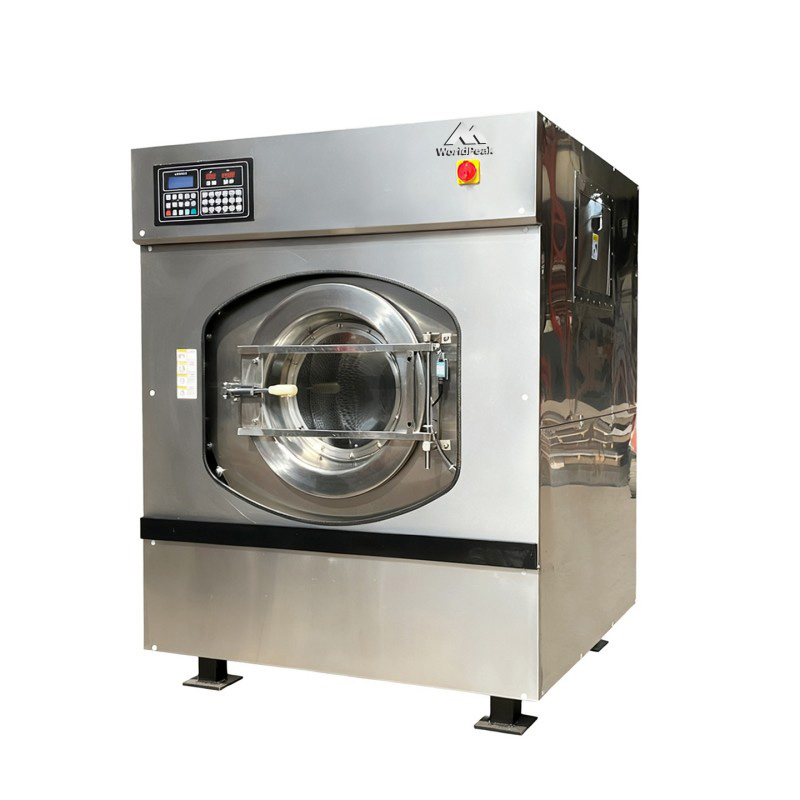
One of the most widely used types of industrial washing equipment is the fully automatic industrial washer-extractor. This machine combines washing, rinsing, and high-speed water extraction in one automated system.
Modern industrial washer-extractors are normally equipped with programmable controllers and multiple washing programs. Operators can adjust washing temperature, cycle duration, drum rotation, water levels, rinse times, and extraction speeds according to different textile types.
Suitable programs can therefore be created for cotton and linen, synthetic fabrics, hotel linen, uniforms, delicate fabrics, and other textile categories.
High-speed extraction removes a large proportion of the remaining moisture from textiles before they enter a tumble dryer or ironing system. Lower residual moisture can reduce subsequent drying time and help improve the overall efficiency of a commercial laundry operation.
Some industrial washing machines can also be connected to an automatic detergent dosing system. The system supplies predetermined quantities of detergent and other laundry chemicals according to the selected washing program, helping improve consistency while reducing unnecessary chemical consumption.
Types of Industrial Washing Machines
Industrial washing machines can be divided into several categories according to their machine structure, washing requirements, and intended applications.
Conventional Industrial Washer-Extractor
A conventional industrial washer-extractor normally uses a single-door design. Laundry is loaded and unloaded from the same side of the machine.
These machines are widely used in:
- Hotels and resorts
- Guesthouses
- Commercial laundries
- Dry-cleaning and laundry shops
- Factories
- Workwear cleaning facilities
- Schools and institutions
They are suitable for everyday washing of bed linen, towels, uniforms, workwear, and other general commercial textiles.
Medical Barrier Washing Machine
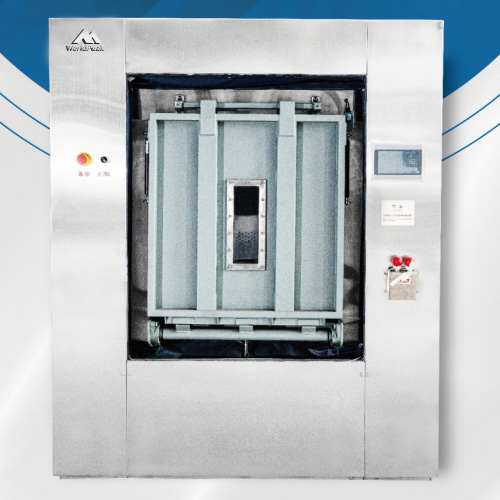
A barrier washing machine, also known as a hygienic barrier washer, is specifically designed for laundry environments that require separation between contaminated and clean textiles.
The machine normally has two doors installed on opposite sides. Contaminated laundry is loaded from the soiled area. After the washing and disinfection process is completed, clean laundry is unloaded from the clean side.
This physical separation helps reduce the possibility of clean textiles coming into contact with contaminated laundry.
Barrier washing machines are commonly used in:
- Hospitals
- Healthcare facilities
- Medical laundry centers
- Central sterile supply departments
- Nursing and healthcare institutions
Depending on the application, the machines can also use high-temperature washing and disinfection programs to support the hygiene management requirements of healthcare facilities.
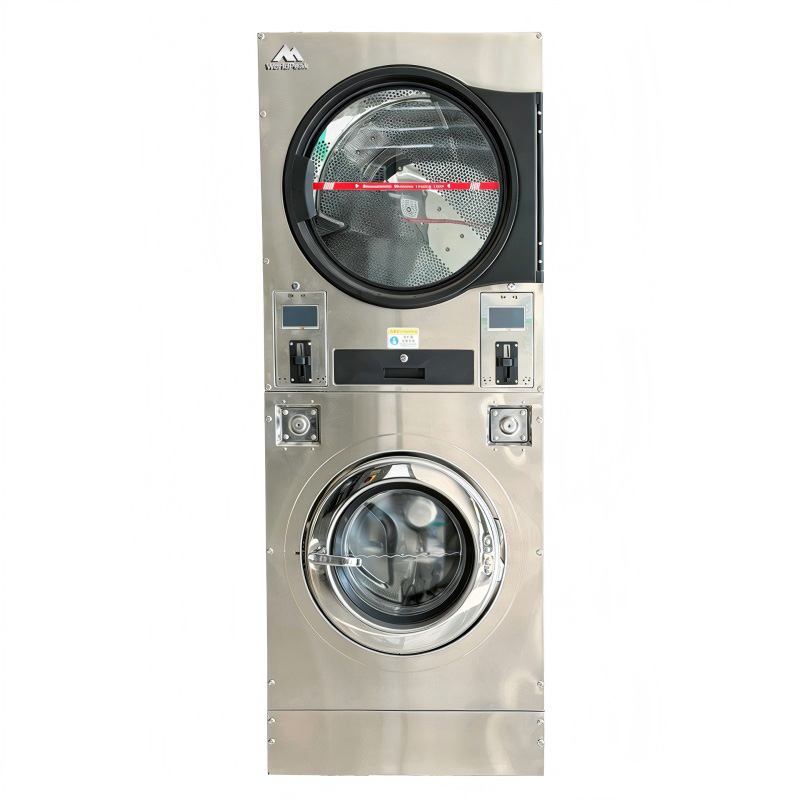
Compact Commercial Washing Machine
Compact industrial or commercial washing machines are suitable for locations where available space and daily laundry volumes are relatively limited.
Typical applications include beauty salons, spas, small guesthouses, campus laundries, self-service laundromats, gyms, and other small commercial establishments.
How to Choose the Right Industrial Washing Machine Capacity
Choosing the correct capacity is one of the most important considerations when purchasing an industrial washing machine. The appropriate machine size depends on daily laundry volume, textile type, operating hours, washing frequency, and available workspace.
Industrial Washing Machines Below 30 kg
Small industrial washing machines are suitable for businesses with relatively low daily laundry volumes. They are commonly used in small hotels, guesthouses, salons, laundromats, restaurants, and other small commercial facilities.
Recommended Reading:30kg Commercial Washer Extractor
50 kg Industrial Washing Machine
A 50 kg industrial washing machine offers a balance between washing capacity and space requirements. It can be suitable for medium-sized hotels, commercial laundries, factories, and small to medium linen-processing facilities.
100 kg Industrial Washing Machine
A 100 kg industrial washing machine is intended for larger laundry operations with substantial daily textile volumes. Multiple 100 kg washer-extractors can also be installed together in centralized laundry plants to create a high-capacity production line.
Advantages of Industrial Washing Machines
Industrial washing machines offer several important advantages for businesses that need to process laundry frequently and efficiently.
High Washing Capacity
Larger drum capacities allow commercial facilities to process more textiles in each washing cycle, reducing the number of batches required.
Stable Performance
Industrial machines are designed to operate repeatedly throughout the working day. Their heavy-duty components provide greater durability under commercial operating conditions.
Consistent Washing Quality
Programmable washing cycles allow important washing parameters to be standardized. This helps maintain consistent washing results between different operators and laundry batches.
Efficient Water Extraction
High-speed extraction reduces residual moisture in washed textiles, which can shorten the drying process and improve the efficiency of subsequent laundry equipment.
Reduced Fabric Damage
Smooth stainless steel drums and properly configured washing programs help reduce unnecessary mechanical stress on textiles, which can contribute to longer linen service life.
Automated Laundry Management
Programmable controls and optional automatic chemical dosing systems reduce reliance on manual operation and make it easier to standardize commercial laundry procedures.
Common Industrial Washing Machine Applications
Industrial washing machines are used wherever large quantities of reusable textiles need to be cleaned regularly.
Common applications include:
- Hotels: bed sheets, duvet covers, pillowcases, bath towels, bathrobes, and restaurant linen
- Hospitals: bed linen, patient clothing, medical textiles, and reusable healthcare fabrics
- Factories: workwear, uniforms, protective clothing, and cleaning textiles
- Commercial laundries: centralized processing of linen from multiple customers
- Schools and universities: dormitory linen and campus laundry
- Beauty salons and spas: towels, sheets, robes, and treatment textiles
- Restaurants: tablecloths, napkins, kitchen textiles, and staff uniforms
Frequently Asked Questions About Industrial Washing Machines
What is the main difference between an industrial washing machine and a household washing machine?
The main differences are capacity, machine construction, durability, operating frequency, washing programmability, and intended application. Industrial washing machines are designed for larger laundry loads and frequent commercial use.
Can I use a household washing machine for a hotel or commercial laundry?
A household washing machine may be suitable for very small and occasional loads, but it is generally not designed for continuous high-volume commercial operation. Businesses processing large quantities of linen usually require industrial or commercial laundry equipment.
What size industrial washing machine should I choose?
The correct size depends on the amount of laundry processed each day, the number of washing cycles available, textile weight, operating hours, and peak laundry demand. Common industrial capacities include 20 kg, 30 kg, 50 kg, and 100 kg.
What is an industrial washer-extractor?
An industrial washer-extractor is a commercial laundry machine that combines washing, rinsing, and high-speed extraction in one machine. It is one of the most common types of equipment used in professional laundry facilities.
Why do hospitals use barrier washing machines?
Barrier washing machines separate contaminated laundry and clean laundry through two different loading and unloading areas. This design supports infection-control procedures and helps reduce the risk of cross-contamination in healthcare laundry facilities.
Conclusion
An industrial washing machine is not simply a larger version of a household washing machine. It is professional laundry equipment specifically engineered for high-volume, high-frequency, and standardized textile processing.
Different industrial washing machine capacities and configurations are designed for different operating environments, ranging from hotels and commercial laundries to factories, hospitals, healthcare facilities, and self-service laundromats.
When selecting an industrial washing machine, businesses should consider daily laundry volume, textile type, hygiene requirements, available space, washing frequency, and the equipment required for subsequent drying and finishing processes. Choosing the appropriate machine can help improve laundry productivity, maintain consistent washing quality, and support a more efficient commercial laundry operation.